Finding the right approach to leasing and managing apartments in Hell’s Kitchen is not as simple as picking a rent and posting a listing. This Manhattan neighborhood draws steady renter demand, but it also comes with varied building types, premium pricing, and detailed New York City compliance rules. If you own an apartment or a small portfolio here, a clear strategy can help you protect income, reduce vacancy, and keep operations on track. Let’s dive in.
Hell’s Kitchen Rental Market Basics
Hell’s Kitchen sits within Manhattan Community District 4 on the West Side, in an area the city describes as a busy mixed-use district with commercial corridors, parks, transit, and cultural institutions. That mix helps support a durable rental market rather than one defined only by owner-occupants. For owners, that means leasing demand is shaped by both neighborhood access and building-level experience.
Current rental pricing reflects that strength. Realtor.com’s March 2026 neighborhood data show 759 active rentals in Hell’s Kitchen, with a median rental price of $4,697. Active rentals were down 44.41% year over year, while median rent was essentially flat year over year, which suggests a market that remains competitive even as available inventory has tightened.
It is also useful to view Hell’s Kitchen in the context of Manhattan. Realtor.com’s Q1 2026 metro report places Manhattan’s median asking rent at $4,878, making Hell’s Kitchen slightly below the borough median on a directional basis. Even so, it remains firmly within premium Manhattan pricing.
Why Building Type Matters
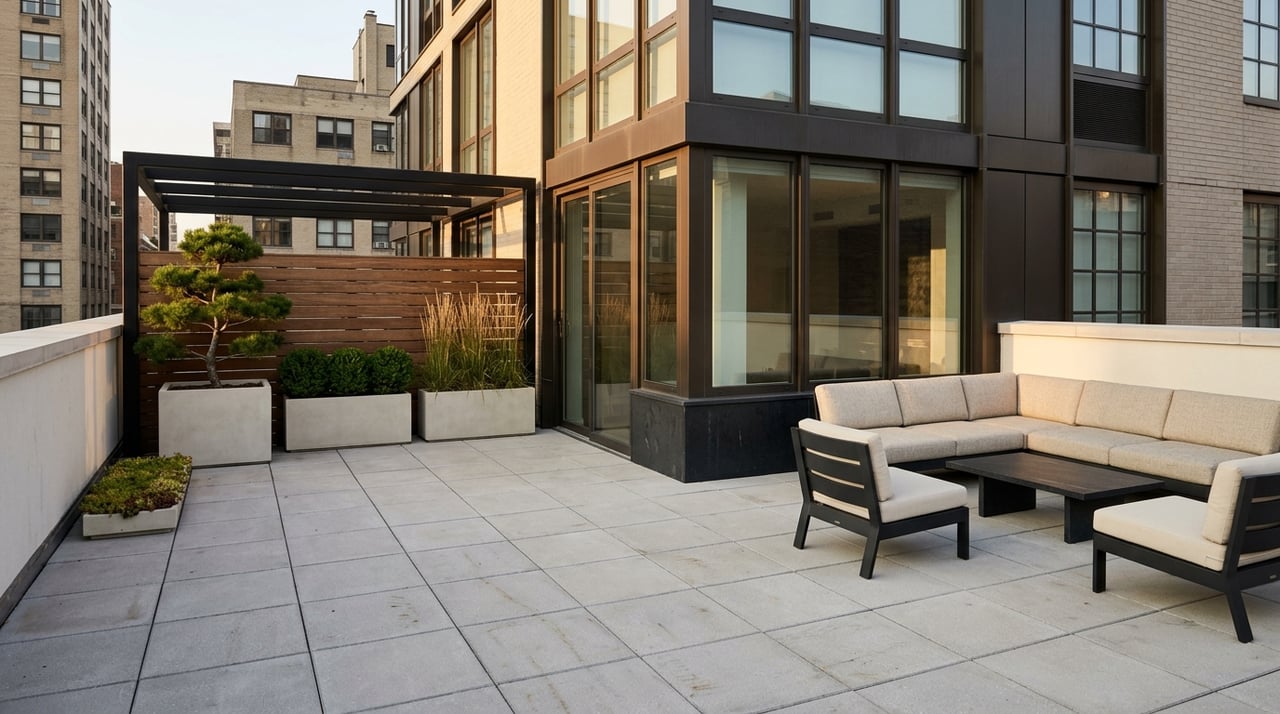
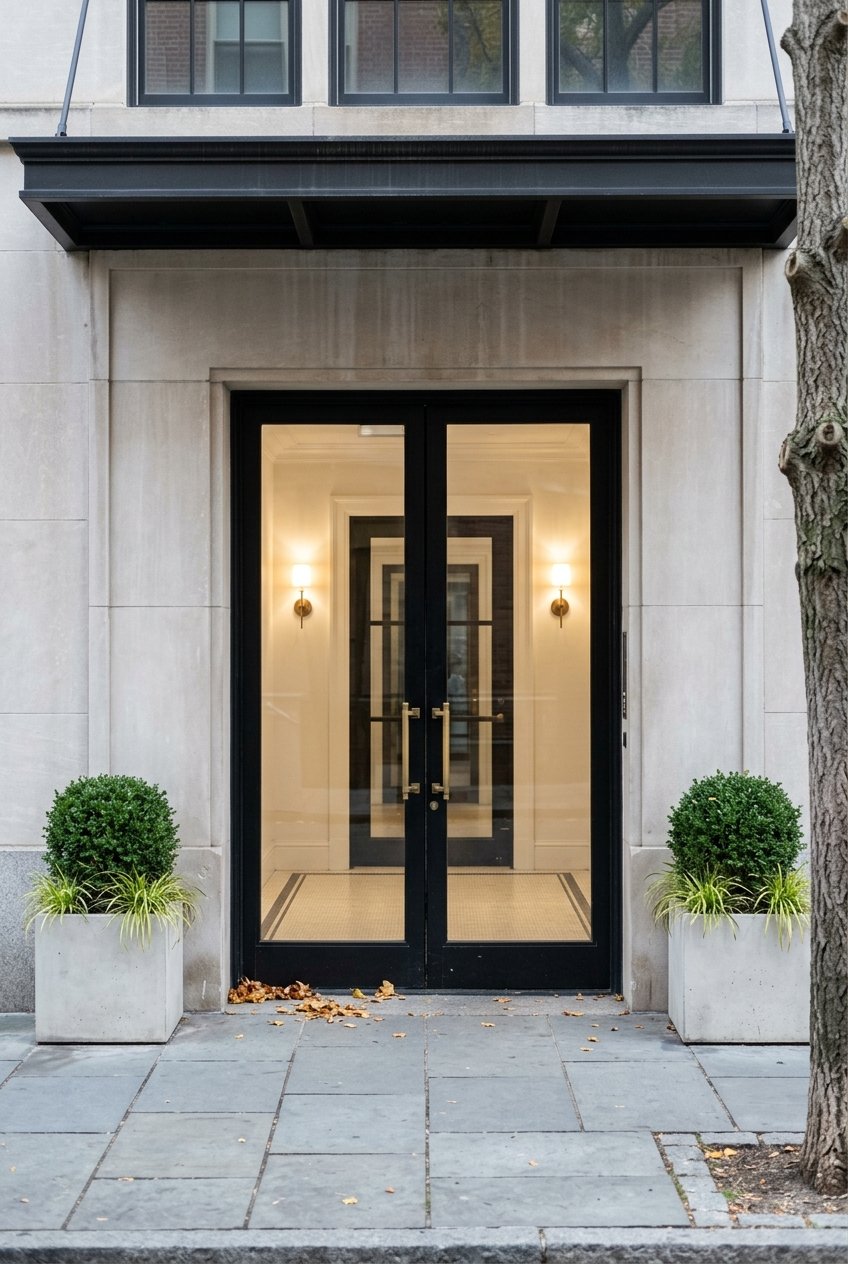
One of the biggest mistakes owners make in Hell’s Kitchen is treating the neighborhood as a single product type. It is not. Official planning documents describe a mix of low-rise tenement buildings, apartments over street-level retail, and residential towers built on podium-style bases.
That mix matters because renter expectations can vary sharply from one block to the next. A walk-up near Ninth Avenue may compete on layout, location, and value, while a newer tower near major corridors may compete on finishes, amenities, and service. In practice, your leasing plan should reflect the apartment’s block, building class, and amenity profile, not just the Hell’s Kitchen name.
Pricing Apartments in Hell’s Kitchen
Pricing starts with understanding where your unit fits inside the neighborhood. Realtor.com ZIP-code medians show meaningful variation: about $4,750 per month in 10036, $5,000 in 10019, $5,295 in 10018, $5,610 in 10023, and $5,732 in 10001. That spread shows why precise comp selection matters.
Nearby west Midtown areas can also help frame pricing for newer or more amenitized units. Reported medians include Hudson Yards at $5,315, Theater District at $5,297, Garment District at $5,228, and Times Square at $4,733. If your building offers a newer finish level or elevated service package, those nearby submarkets may provide useful directional comps.
Gross Rent vs Net Effective Rent
In New York City, the number in the listing is not always the full story. StreetEasy listings in Hell’s Kitchen are displayed as base rent, and some listings advertise concessions such as one month free on a 12-month lease. That means owners should compare both the headline asking rent and the net effective rent before deciding how to position a unit.
For example, a higher asking rent with a concession may look stronger on paper but produce a lower effective result over the lease term. If you rely only on the advertised figure, you may misread where the market is actually clearing. Accurate pricing depends on reviewing the full concession structure, not just the sticker price.
Smarter Pricing Questions to Ask
Before setting an asking rent, it helps to ask a few practical questions:
- Is the unit in a walk-up, mixed-use building, or full-service tower?
- Does the apartment compete mainly on value, location, or amenities?
- Are nearby listings offering concessions?
- Is the unit in a ZIP code that trends above or below the Hell’s Kitchen median?
- Does the apartment compare more closely with Hell’s Kitchen listings or nearby west Midtown product?
These questions can help you avoid overpricing, which can extend vacancy, or underpricing, which can leave money on the table.
Lease Compliance Owners Cannot Ignore
Leasing apartments in Hell’s Kitchen also means working inside New York City’s highly specific rules. Whether your apartment is market-rate or rent stabilized, timing and documentation matter.
NYC requires landlords to give written notice if they plan to raise rent by more than 5% or choose not to renew a lease. The notice period can be 30, 60, or 90 days, depending on how long the tenant has occupied the apartment and the lease term. Because of that, renewal planning should begin well before the lease end date.
For rent-stabilized apartments, the rules are even more structured. Current Rent Guidelines Board rules for leases starting or renewing from October 1, 2025 through September 30, 2026 allow increases of 3% for a one-year renewal and 4.5% for a two-year renewal. Renewal notices for these apartments must be sent no more than 150 days and no less than 90 days before lease expiration.
Confirm Regulatory Status First
Owners should never assume a newer building is automatically market-rate. New York City notes that some apartments tied to regulatory agreements, including some connected to 421-a benefits, may still be rent stabilized. Before advertising a vacancy, offering a renewal, or setting rent, it is important to confirm the apartment’s status.
If a unit is rent stabilized, HCR says vacancy leases must include a lease rider. NYC owners must also provide bedbug history disclosure with the vacancy lease. Rent-stabilized tenants are entitled to a fully executed copy of the lease along with the DHCR rider explaining their rights and rent calculation.
Deposits and Fees
New York rules also shape how you handle money during leasing. Security deposits are capped at one month’s rent and must be held in an interest-bearing bank account in New York State. Late fees are capped at $50 or 5% of the monthly rent, whichever is less.
These rules are not small technicalities. They affect lease drafting, tenant communication, and internal bookkeeping. A professional leasing process should account for them from the start rather than trying to fix errors later.
Day-to-Day Management in Hell’s Kitchen
Good property management in Hell’s Kitchen is mostly about consistency. In a neighborhood with mixed building stock and premium rents, residents expect quick communication, reliable maintenance, and orderly operations. The city expects the same.
For residential buildings with three or more units, HPD requires annual property registration between May 21 and September 1. Rent-stabilized buildings must also file annual rent registrations with HCR between April 1 and July 31. HPD states that the managing agent is responsible for maintenance and operation of the building and for authorizing emergency repairs on the owner’s behalf.
If registration is not current, the consequences can be serious. Buildings without valid registration may be barred from certifying violations, requesting dismissal of code violations, or bringing nonpayment actions. That is one reason organized management systems matter so much in New York City.
What Owners Need to Track
On a practical level, day-to-day management should include close tracking of:
- Lease renewal timelines
- Required notices
- Security deposit handling
- Fee compliance
- HPD and HCR registrations
- Maintenance requests and repair follow-up
- Building condition issues that can trigger violations
This is especially important for small and mid-sized landlords who may otherwise try to manage operations informally. In New York City, ad hoc systems can create expensive problems.
Maintenance Standards That Protect Value
NYC requires owners to provide heat and hot water and to keep buildings safe, clean, and well maintained. Owners are also responsible for maintaining pest-free apartments and common areas. Separate city rules address lead-paint safe work practices, window guards where children age 10 or younger reside, and smoke and carbon monoxide detectors.
In a neighborhood like Hell’s Kitchen, where renter expectations can be high and turnover costs can be significant, maintenance performance is not just an operational issue. It is part of your leasing strategy. A unit that is legally compliant, well presented, and quickly repaired is easier to renew and easier to re-rent.
Heat and hot-water complaints deserve especially fast attention. HPD can inspect these complaints, issue violations, and use its Emergency Repair Program to restore essential services when necessary, with costs billed back to the owner. Prompt response protects both resident satisfaction and the building’s operating position.
Why Systems Matter More Than Guesswork
The strongest leasing and management approach in Hell’s Kitchen is systematic, not reactive. The neighborhood supports premium rents, but those rents are shaped by product type, micro-location, and concession-adjusted competition. At the same time, New York City’s rules make timing, records, and maintenance discipline essential.
For many owners, especially those with small-to-mid-sized portfolios or investment properties they do not want to handle personally, the real value of professional support is operational control. It helps keep units legally rentable, reduce avoidable violations, and support faster renewals and lower vacancy. In a market like Hell’s Kitchen, that kind of stewardship can make a measurable difference over time.
If you own apartments in Hell’s Kitchen and want a more disciplined leasing and management strategy, Broadway Realty offers Manhattan-focused leasing and full-service property management with the discretion, market knowledge, and hands-on oversight many owners value.
FAQs
What is the typical rent level for apartments in Hell’s Kitchen?
- Realtor.com’s March 2026 data show a Hell’s Kitchen median rental price of $4,697.
How do owners price apartments accurately in Hell’s Kitchen?
- Owners should compare similar units by building type, ZIP code, amenity level, and concession structure, including the difference between gross asking rent and net effective rent.
Do Hell’s Kitchen landlords need to give notice before raising rent or not renewing?
- Yes. In NYC, landlords must provide written notice for certain increases over 5% or nonrenewals, with required notice periods of 30, 60, or 90 days depending on occupancy history and lease term.
What are the current rent-stabilized renewal increases in New York City?
- For leases starting or renewing from October 1, 2025 through September 30, 2026, the allowed increases are 3% for a one-year renewal and 4.5% for a two-year renewal.
What management registrations are required for Manhattan apartment buildings?
- Residential buildings with three or more units must complete annual HPD property registration, and rent-stabilized buildings must also complete annual HCR rent registration.
What maintenance issues matter most for apartment management in Hell’s Kitchen?
- Owners need to stay on top of heat, hot water, pest control, general repairs, safe building conditions, and required items such as window guards and smoke and carbon monoxide detectors where applicable.