If you have ever wondered whether living near Gramercy Park feels the same as living on it, the answer is simple: the address matters, and so does the architecture. This pocket of Manhattan stands out for its preserved 19th-century streetscape, quiet residential feel, and one of the most unusual green-space arrangements in New York City. If you are considering a move, purchase, or rental in Gramercy, understanding both the built environment and the rules around park access can help you search with more clarity. Let’s dive in.
Why Gramercy Park Stands Apart
Gramercy Park is a compact East Side enclave with a long residential history. The Gramercy Park Historic District was designated by the New York City Landmarks Preservation Commission in 1966, with an extension added in 1988. That history still shapes how the neighborhood looks and feels today.
The broader area is primarily residential, with a mix of building types that includes multifamily elevator and walk-up buildings, one- and two-family buildings, and mixed residential and commercial properties. Commercial activity is more concentrated along First and Second Avenues, which helps keep the blocks around the park itself more residential in character.
Gramercy Architecture You Can See
One of Gramercy Park’s biggest draws is its architecture. The streetscape is rooted in 19th-century townhouse development, and many of the square’s Anglo-Italianate, Greek Revival, and Gothic Revival houses remain in place.
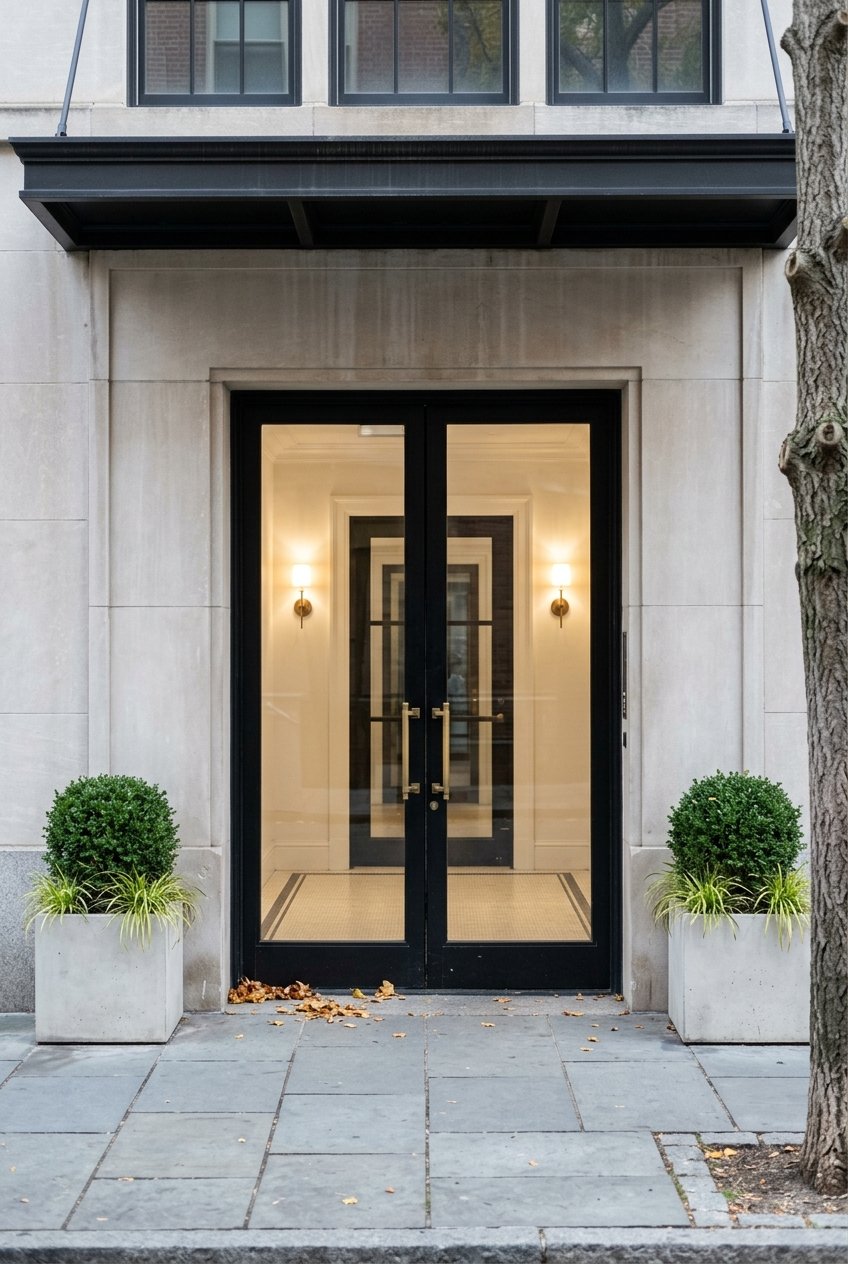
As you walk the neighborhood, you can still see the details that define the district. These include handsome lintels, molded cornices, stately entranceways, small front gardens, and wrought-iron elements that give the blocks a layered, historic texture.
Townhouses and Rowhouse Character
The park-facing blocks are known for their townhouse heritage. On the south side of the square, brownstone and brick dwellings create a more uniform block face, which gives that stretch a particularly cohesive appearance.
This consistency is part of what many buyers and renters respond to in Gramercy. Even if you are not focused on a landmarked home itself, the surrounding streetscape can shape your daily experience in a meaningful way.
Apartment Houses and Co-op History
Gramercy did not remain only a neighborhood of single-family houses. Over time, apartment buildings and clubs became part of the area’s evolution, showing how the neighborhood adapted while retaining much of its historic identity.
The Landmarks Preservation Commission notes that many later apartment buildings in the area were co-operatives. One example is 36 Gramercy Park East, a Gothic-style co-op with glazed terra cotta, often cited as a case of larger apartment living introduced in a way that still respected the neighborhood’s established character.
How Gramercy Park Access Really Works
The private park is the feature that sets Gramercy apart from almost every other Manhattan neighborhood. Gramercy Park was created in 1831 under the original Ruggles deed, and it has long operated under a private ownership and maintenance structure.
Today, the park is cooperatively owned by the lot owners of the 39 buildings occupying the original lots around the square. It is overseen by five lifetime trustees, and annual assessments help fund maintenance and security.
Park Keys Are Building-Specific
This is the point many people misunderstand: living in Gramercy does not automatically mean you get access to Gramercy Park. Keys are issued annually to owners of the surrounding lots, and requests are handled through building presidents and managing agents.
In practical terms, park access is tied to a specific building arrangement, not just the neighborhood name. If private park access matters to you, you need to confirm whether a particular address is part of the key-holding group.
Living Near the Park Without a Key
A home near the square can still offer much of what draws people to Gramercy in the first place. You may still enjoy the historic atmosphere, the quieter streetscape, and the convenience of being within a short walk of several nearby public parks and daily services.
For many buyers and renters, that tradeoff is worth considering. A nearby address may deliver the aesthetic and location benefits of Gramercy Park, even if it does not come with direct entry to the private garden.
What Everyday Life Looks Like
Gramercy Park is not only about architecture and exclusivity. It also works well as an everyday Manhattan neighborhood because green space and practical conveniences are close at hand.
In addition to the private square, city materials identify Augustus St. Gaudens Playground and Peter’s Field within Gramercy Park. The neighborhood is also associated with nearby public open spaces such as Madison Square Park, Union Square Park, and Stuyvesant Square to the south.
Green Space Options Nearby
That mix of public and private open space is part of the area’s appeal. If you live on or near Gramercy Park, you are not relying on a single outdoor amenity.
Instead, you have access to a range of nearby places for a walk, a break outdoors, or everyday city movement. For buyers and renters comparing neighborhoods, that layered park access can be a real advantage.
Daily Conveniences Off the Square
The park-front blocks are largely residential, but errands and services are still nearby. Commercial establishments are concentrated along First and Second Avenues, which helps keep practical needs within reach without changing the residential feel closest to the park.
City planning materials also identify Beth Israel Medical Center as a major institutional presence in the broader area. That adds another layer of everyday utility to the neighborhood context.
Buying or Renting With Clear Priorities
If you are searching in Gramercy, it helps to separate emotional appeal from practical criteria. The neighborhood offers a distinctive combination of preserved architecture, calm residential blocks, and a private-park model that is rare in New York City.
At the same time, not every property delivers the same experience. The difference between living on the square, owning in a key-holding building, or renting nearby can shape your daily use of the neighborhood.
Questions Worth Asking
Before you move forward on a purchase or rental, it is smart to clarify the details that matter most to you. In Gramercy, a few specific questions can make your search much more efficient.
Consider asking:
- Is the building one of the original lot buildings associated with park key rights?
- If applicable, how are key requests handled through the building or managing agent?
- Is the property in a townhouse, co-op, condo, elevator building, or walk-up building?
- How important is direct park access compared with being nearby?
- Do you prefer the more uniform townhouse blocks or a larger apartment building setting?
Why the Address Matters Most
Gramercy Park is one of those Manhattan neighborhoods where small distinctions carry real weight. Two homes only a short distance apart may offer very different experiences depending on the building type, the block, and whether private park access is part of the arrangement.
That is why local guidance matters here. If you are evaluating a townhouse, co-op, or apartment near the square, the right search strategy starts with the address itself, then works outward to lifestyle, architecture, and long-term fit.
Whether you are looking for a historic residence, a well-positioned apartment, or a property with lasting appeal in a tightly defined Manhattan micro-market, working with an experienced local team can help you sort through those nuances with confidence. To explore Gramercy opportunities with discreet, practical guidance, contact Broadway Realty.
FAQs
Does living in Gramercy Park automatically include park access?
- No. Access depends on whether the specific building is one of the key-holding properties around the square, not simply whether the home has a Gramercy address.
What architectural styles are common around Gramercy Park?
- The historic district includes Anglo-Italianate, Greek Revival, and Gothic Revival houses, along with later apartment buildings that were added while maintaining the neighborhood’s historic character.
Are there apartment buildings near Gramercy Park?
- Yes. The area evolved beyond single-family houses and includes apartment buildings, clubs, co-ops, elevator buildings, and walk-up buildings.
What is the difference between living on Gramercy Park and near Gramercy Park?
- Living on the square may involve a building with park-key rights, while living nearby may offer the same general neighborhood atmosphere without direct access to the private park.
Are there public parks near Gramercy Park in Manhattan?
- Yes. Nearby public open spaces include Augustus St. Gaudens Playground, Peter’s Field, Madison Square Park, Union Square Park, and Stuyvesant Square.
Where are shops and services located near Gramercy Park?
- Commercial establishments are concentrated mainly along First and Second Avenues, while the blocks closest to the park remain more residential in character.