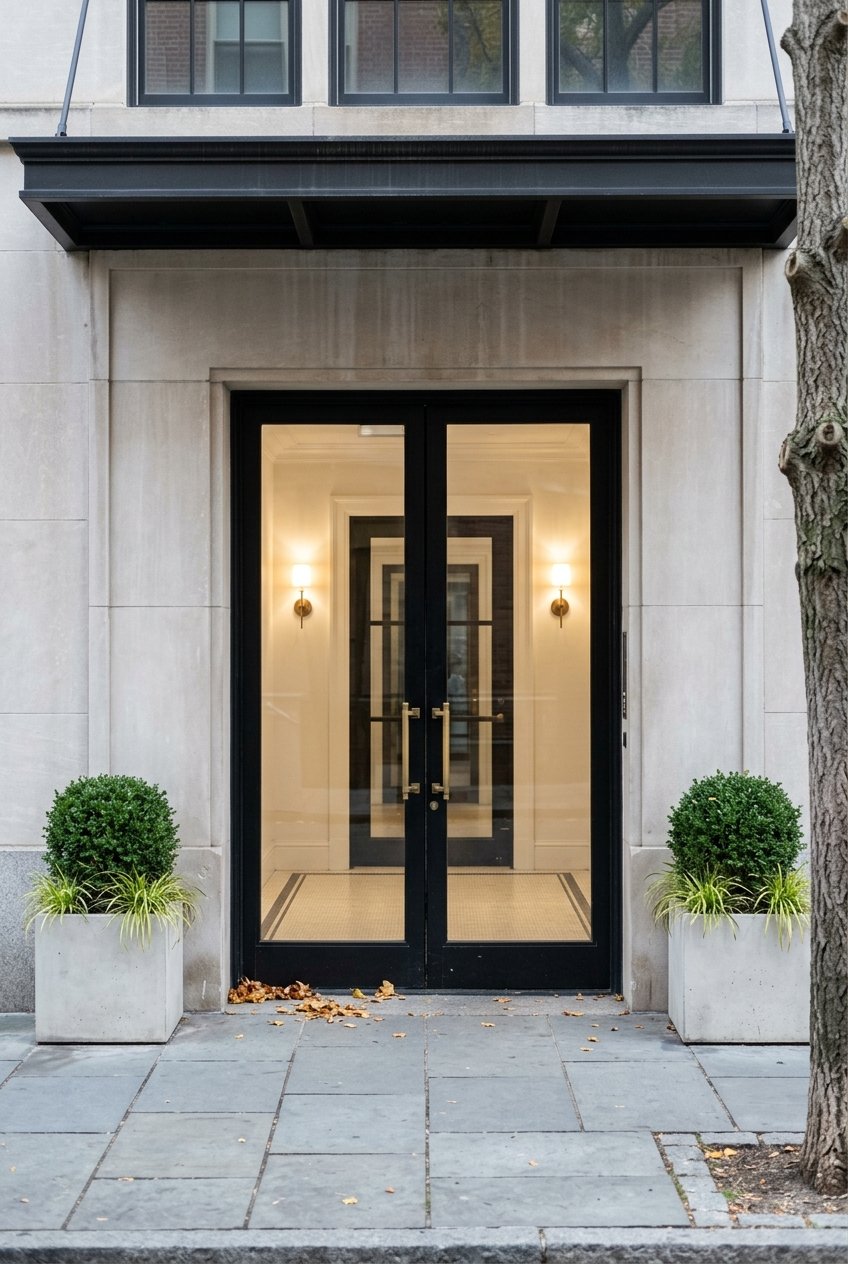
Choosing a home in Chelsea often feels like choosing between two neighborhoods in one. West of Tenth Avenue, you see glassy condos and striking new developments along the High Line. On the mid‑blocks and east of Tenth, you find classic co‑ops with generous layouts and prewar character. In this guide, you’ll learn how condos, co‑ops and new developments differ on approvals, financing, monthly costs, amenities and resale, so you can buy with clarity. Let’s dive in.
Chelsea at a glance
Chelsea spans the mid‑teens to around 30th Street, from the avenues near Sixth to the Hudson River. A city rezoning created today’s West Chelsea and High Line corridor, which increased allowable density and made modern condo development more common near the park and river. The result is a cluster of contemporary, amenity‑rich buildings close to the High Line and Hudson Yards, supported by the West Chelsea and High Line rezoning plan.
What this means for you is simple. If you want new‑building finishes, elevator convenience and broader rental flexibility, you will likely tour west toward the High Line. If you value prewar details and a lower entry price per square foot, you will find more options mid‑block and east of Tenth Avenue.
How ownership and approvals differ
What you actually buy
In a condo, you receive a deed to real property plus a share of common areas. In a co‑op, you buy shares in a corporation and receive a proprietary lease for your unit. New developments are often condos sold by a sponsor, and your rights are governed by the offering plan. The New York State Attorney General’s guidance clearly explains these differences and how to review an offering plan for sponsor sales. You can read it in the AG’s buyer guide.
Board reviews and timing
Co‑op boards have broad discretion to approve or reject buyers. You prepare a detailed board package with tax returns, bank statements, employment and reference letters, then attend an interview. Boards meet on set schedules, so the review can add weeks to your timeline. For a practical overview of what boards request and how interviews work, see CooperatorNews on board packages and interviews.
Condos have a lighter approval process focused on your mortgage and title work. Management may perform an administrative review, but there is usually no interview. With financing in place, condos typically close faster than co‑ops.
Financing and down payments
Condos generally use standard mortgages. Co‑ops use share loans, where the collateral is your stock certificate and proprietary lease. Lenders often have stricter requirements for co‑ops, and many buildings prefer larger down payments and post‑closing liquidity. A practical explainer on co‑op financing and underwriting norms is available from PropertyShark’s co‑op guide. As a working rule, many Manhattan co‑ops prefer 20 to 30 percent down, while condos often accept 10 to 20 percent for qualified buyers, subject to building and lender rules.
Closing costs to budget
Closing costs vary meaningfully across condos, co‑ops and sponsor sales. A few line items can change the math:
- Mortgage Recording Tax. If you finance a condo, New York City charges a mortgage recording tax, roughly 1.8 to 1.925 percent of the loan amount in common residential cases. This tax generally does not apply to co‑ops because no real‑property mortgage is recorded. Review the city’s overview of the mortgage recording tax.
- Mansion Tax. Purchases at or above 1 million dollars trigger New York’s mansion tax, which is progressive at higher prices. For a legal summary of current brackets, see Loeb & Loeb’s overview of New York’s mansion tax.
- Sponsor sale extras. In new developments, the offering plan often requires contributions to working capital or reserves, plus sponsor attorney fees and other charges that resales do not carry. The AG’s buyer guide linked above explains how to read these sections.
Ask your agent and lender for a sample closing statement early, so you can compare a financed condo, an all‑cash condo and a co‑op side by side.
Monthly costs and rules
Maintenance vs common charges
Co‑op maintenance usually bundles the building’s property taxes, any underlying mortgage payments, staff salaries, building insurance, heat and hot water if master‑metered, management and reserves. Condo common charges typically cover building operations, while you pay your unit’s property taxes separately. For a plain‑English comparison, see this overview of NYC maintenance vs common charges.
Amenities by building type
New developments in West Chelsea tend to offer full‑service features like 24‑hour doorman and concierge, fitness and spa areas, roof decks, bike rooms, package management and sometimes parking. These drive higher common charges but support a turnkey lifestyle and, for many buyers, future rental appeal.
Prewar and many postwar co‑ops may offer fewer amenities and a more intimate feel, often with larger layouts and period details. You trade amenity depth for character and a lower per‑square‑foot price in many cases.
Renting rules and flip taxes
Co‑op subletting is commonly limited through owner‑occupancy requirements, caps on the share of units rented, and board approval for each lease. Condos are usually more flexible, which is why investors often prefer them. Always confirm a building’s current policy and whether it is near any rental cap. For a detailed look at typical co‑op sublet rules and fees, review Hauseit’s guide to NYC co‑op subletting.
Many co‑ops levy a flip tax or transfer fee when you sell, and some condos do as well. The formula varies, so you should check the proprietary lease or bylaws. This fee often affects seller proceeds and overall return.
Reserves, assessments and Local Law 11
Reserve levels and planned capital projects drive the risk of special assessments. Ask for audited financials, the latest budget and the reserve schedule, and review recent board minutes. For buildings above six stories, New York City’s Facade Inspection and Safety Program requires periodic facade work that can trigger near‑term assessments. You can learn how filings work on the NYC Department of Buildings FISP page.
Quick comparison: Chelsea condos, co‑ops and new devs
| Feature | Condo (resale) | Co‑op, prewar or postwar | New development (typically condo) |
|---|---|---|---|
| Ownership | Deed to unit plus common interest | Shares in a corporation plus proprietary lease | Deed, rights and rules governed by offering plan |
| Approvals | Administrative review, no interview in most cases | Full board package plus interview | Sponsor approval per offering plan |
| Financing | Standard mortgage | Share loan, stricter underwriting common | Standard mortgage, sponsor preferred lenders common |
| Typical down payment | Often 10–20 percent, varies by lender and building | Many buildings prefer 20–30 percent or more | Similar to condos, building specific |
| Monthly charges | Common charges plus separate property taxes | Maintenance typically includes taxes and some utilities | Common charges plus separate property taxes, working‑capital contribution at closing is common |
| Amenities | Varies, often modern service in newer condos | Often fewer amenities, larger classic layouts | Full amenity suites are common |
| Renting/subletting | Generally flexible, check bylaws | Often restricted with caps and approvals | Usually condo‑style flexibility, confirm offering plan |
| Time to close | Often faster once financing is cleared | Often longer due to board process | Varies by sponsor, depends on construction and offering plan |
| Resale and investor profile | Broader buyer pool including investors and non‑US purchasers | Narrower buyer pool due to board rules | Premium marketing and finishes, but project‑specific risks |
Resale and investor view in Chelsea
If you want maximum future flexibility, condos usually draw a wider buyer pool, including investors and non‑US purchasers, because approvals and rental rules are more permissive. That typically supports liquidity in strong markets. For a plain‑language comparison of condo and co‑op dynamics, see Investopedia’s overview of NYC co‑ops vs condos.
Co‑ops can be excellent long‑term homes, especially if you value layout size and location over amenity packages. Just remember that flip taxes, rental limits and board approvals narrow the pool when you sell.
With new developments, you are often paying a premium for new finishes, architecture and amenities. That premium can be rewarding if the building is well received and managed, yet it comes with sponsor‑specific rules and early‑years costs that you should review in the offering plan.
Touring checklist for Chelsea buyers
Use these questions with your agent while touring. Ask for documents that answer them before you write an offer.
Building governance and finances
- May I review the most recent audited financials, operating budget and the reserve schedule?
- Are there any current or planned assessments, including facade work under Local Law 11?
- Does the co‑op have an underlying mortgage and what is its balance and maturity?
Purchase process and restrictions
- For co‑ops, what does the board package require and what is the timeline from submission to decision?
- What are the sublet policies, rental caps and minimum lease terms today?
- Is there a flip tax or transfer fee, and who typically pays it in this building?
Unit and practical checks
- Which utilities are included in the monthly fee and which are metered to the unit?
- Are there move‑in and move‑out rules, fees or limited elevator windows I should plan for?
- Has the unit had permitted renovations, and are all Department of Buildings sign‑offs on file?
Cash and closing prep
- Can I see a sample closing statement for a financed condo, an all‑cash condo and a co‑op, so I can compare the mortgage recording tax, mansion tax and any sponsor fees?
Quick red flags
- Thin reserves combined with notes about deferred maintenance or pending facade work.
- Recent FISP filings with required corrective work and sidewalk sheds still in place.
- Strict sublet rules in a building with many non‑resident owners, which can signal future policy friction.
- Sponsor sales with unusually large transfer fees or working‑capital contributions relative to nearby resales.
Which option fits you
- You want flexibility and an easier exit. A condo usually makes sense if you plan to rent in the future or want to keep more financing options open.
- You value size and location over amenities. A co‑op can be the right fit if you are comfortable with a board package and plan to live in the home longer term.
- You prefer new finishes and services. A new development gives you modern systems and amenity depth, with higher common charges and sponsor‑specific fees to weigh.
When you are ready to compare specific buildings, we will help you model true monthly costs, closing statements for each option and the practical timeline to close. For discreet, senior‑level guidance, request a confidential consultation with Broadway Realty.
FAQs
What are the key differences between Chelsea condos and co‑ops?
- Condos give you a deed and lighter approvals, while co‑ops sell shares with a proprietary lease and require a full board package and interview that can extend your closing timeline.
How long does a Chelsea co‑op purchase usually take?
- Timelines vary by building, but you should plan for additional weeks to prepare the board package and complete the interview process compared with a condo’s administrative review.
Which closing costs are unique to Chelsea condos versus co‑ops?
- Financed condo buyers pay New York City’s mortgage recording tax, while co‑op buyers generally do not; both property types can trigger mansion tax at or above 1 million dollars.
Can I rent out my Chelsea condo or co‑op after I buy?
- Condos are usually more flexible and investor friendly, while co‑ops commonly limit subletting with caps and approvals; always confirm current building rules before you buy.
What should I review before buying in a Chelsea new development?
- Read the offering plan, budget and building rules, check any working‑capital or sponsor fees, and request a sample closing statement so you understand total cash at closing and monthly costs.