Trying to choose between a Greenwich Village condo and a classic townhouse? You are not alone. The decision shapes your lifestyle, renovation plans, financing options, and long-term costs. In this guide, you will compare the real tradeoffs so you can move forward with clarity and confidence. Let’s dive in.
Condo vs. townhouse at a glance
| Factor | Condo | Townhouse |
|---|---|---|
| Privacy & outdoor space | Semi-private. You own the interior of your unit. Outdoor areas are limited to spaces assigned to your unit, such as a terrace. | Private entrance, multiple levels, and the potential for a garden or roof deck. |
| Maintenance | Building handles common elements and amenities through monthly common charges and reserves. | You handle all systems, structure, and exterior. Budget for major capital work. |
| Governance & control | Board and bylaws govern building rules and approvals. | Fee-simple ownership gives you control of the property, subject to City rules. |
| Renovation oversight | Interior work often needs board approval and city permits. | Greater autonomy inside. Exterior changes in landmark areas need LPC review. NYC LPC guidance. |
| Financing | Lenders review both you and the building for “warrantability.” Fannie Mae project standards. FHA requires project approval. FHA condo approvals. | Often financed like 1–4 unit homes. Underwriting focuses on the property and your profile. Multi-unit homes can require higher reserves. |
| Taxes & transfer costs | Typically taxed under Class 2. Modeling depends on building assessments. | Often Class 1 for 1–3 family. Expect higher absolute tax bills and mansion tax at higher prices. NYC tax rates. |
| Liquidity & resale | Larger buyer pool and standardized financing, subject to building eligibility. | Rarer asset, often at a premium. Buyer pool can be narrower, timeline more variable. |
How Greenwich Village shapes your choice
Greenwich Village is a high-price, low-inventory market. Condos and co-ops often trade in the low to mid seven figures, while well-kept townhouses are scarce and command a meaningful premium. That scarcity can influence both your search timeline and your exit strategy.
Much of the Village sits within large historic districts. If you plan any exterior work on a townhouse, expect review by the Landmarks Preservation Commission. Exterior changes visible from the street often need a Certificate of No Effect or a Certificate of Appropriateness, which affects design choices and timing. You can explore the district context in the LPC’s story map for the neighborhood at the NYC LPC page on the Greenwich Village Historic District.
Ownership and maintenance differences
Condominiums: what you own and how it works
As a condo owner, you own the interior of your unit and share an undivided interest in the building’s common elements. Rights and obligations are set by the recorded declaration, offering plan, and bylaws, which also empower the board to manage building operations and enforce rules. New York’s regulations outline how offering plans and disclosures are structured, which is why reviewing them matters before you buy. See the state’s guidance on offering plans via 13 NYCRR 23.3.
Monthly common charges fund building staff, utilities for common areas, insurance, routine maintenance, and reserves. Special assessments may be levied for capital projects. When you review a condo, ask for the current budget, reserve policy, minutes, and any notices of planned assessments. These items help you understand service levels and future risk.
Townhouses: control with full responsibility
A typical Manhattan townhouse is fee-simple, which means you own the structure and the land. This gives you control over your property, within city rules and any landmark requirements. It also shifts maintenance, capital repairs, insurance, and property taxes to you. For a plain-language refresher on the ownership difference, see this overview of condos versus townhouses from Better Homes & Gardens.
If a townhouse includes rental units, review leases and any rent-regulated status. Rent-stabilized or rent-controlled units come with renewal rights and regulated increases that can affect cash flow and flexibility. New York’s Attorney General summarizes tenant protections and rent regulation rules in the Residential Tenants’ Rights Guide.
Renovations and approvals in the Village
For condo units, interior work often requires board review and Department of Buildings permits. Changes that affect common elements or building systems need board approval. Where the building is within a landmark district, certain exterior or visible alterations may also trigger LPC review.
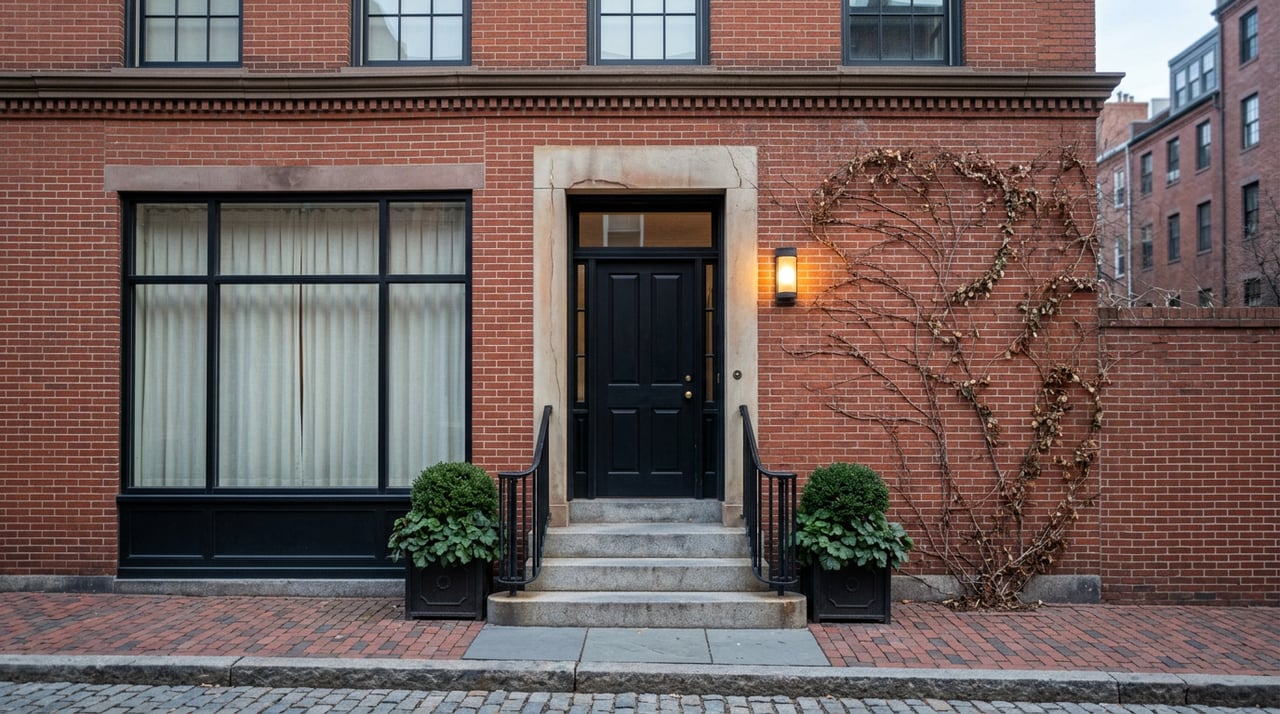
For townhouses in the Village, plan for LPC involvement if you change anything visible from the street, such as windows, stoops, or the façade. Staff-level approvals can be faster for routine work, while larger changes may require a public hearing. This can add weeks or months to a timeline, so build in design and permitting buffers. Learn more from the NYC LPC overview of the Greenwich Village Historic District.
Financing differences you will feel
Condo financing: project review matters
Most lenders evaluate both your finances and the building’s health. They review budgets, reserve funding, owner-occupancy, sponsor concentration, litigation, and commercial space mix. If the building does not meet certain thresholds, conventional and government-backed loans can be difficult, and you may need portfolio financing with higher down payments. Review what lenders look for in Fannie Mae’s condo project standards.
If you plan to use FHA financing, the condo project must be approved or meet specific conditions. The documentation and timing can affect your contract planning. Read FHA’s process notes on condominium project approval.
Townhouse financing: 1–4 unit underwriting
A single-family townhouse is commonly financed like a standard residence, with greater emphasis on the appraisal and property condition. If the home has 2–4 units and you plan to occupy one, many conforming programs allow it, often with different loan-to-value and reserve requirements. Lender rules evolve, so confirm current allowances and reserve expectations early. See purchase transaction parameters in Fannie Mae’s guidance.
Taxes and one-time transfer costs
Property tax class can change your annual costs. In New York City, most 1–3 family homes are in Class 1 and most multi-unit and condo properties are in Class 2. Classes use different assessment methods and caps, which can affect your bill. The NYC 311 resource explains property tax classes and assessment basics, and you can review current rates on the NYC Department of Finance page.
At closing, high-value purchases in the City trigger supplemental transfer taxes commonly called the mansion tax. Rates start at $1,000,000 and rise with price tiers. A concise legal summary of the progressive structure appears in this New York transfer tax overview. For Village buyers, this often applies to both luxury condos and townhouses, so include it in your comparison model.
Due diligence checklist before you decide
If you are evaluating a condo
- Offering plan, declaration, and bylaws, plus the current approved budget and any reserve study.
- Board minutes for the last 12–24 months, and notices of special assessments or litigation.
- Insurance information: the master policy and unit-owner HO-6 requirements.
- Project eligibility: owner-occupancy percentage, sponsor/investor concentration, commercial space share, and any FHA/VA or Fannie/Freddie eligibility flags. See Fannie Mae’s project standards and New York’s offering plan framework for context.
If you are evaluating a townhouse
- Full title report and survey; status of open DOB or LPC violations and any prior approvals.
- Engineer or structural inspection with scope-of-work estimates for systems and exterior.
- Property tax history and current assessed class. See the City’s assessment and class overview.
- If there are tenants, copies of leases and any rent-regulation records. Review state guidance in the Residential Tenants’ Rights Guide.
For both property types
- Most recent real estate tax bill, legal description, and survey.
- Recent utility bills and any service contracts for budgeting.
- Insurance quotes tailored to the asset type.
- Lender pre-qualification that confirms feasible programs and timelines.
A simple decision framework
Score each category from 0 to 5, then weight your scores to reflect your priorities. Add notes for must-haves.
- Lifestyle fit, 25 percent. Do you value a private entrance and outdoor space, or would you prefer elevator access and amenities?
- Renovation and control, 20 percent. Do you want autonomy to reconfigure layouts, acknowledging LPC limits for exteriors, or are you comfortable with board approvals for interior changes?
- Maintenance burden, 15 percent. Would you rather outsource to a building or manage vendors yourself with full responsibility for systems and exterior?
- Financing and taxes, 20 percent. Are you prepared for potential project-eligibility constraints on condos or higher ongoing taxes for many townhouses?
- Liquidity and resale, 20 percent. Do you prefer the broader buyer pool and standardized financing of condos, or are you drawn to the rarity and potential premium of townhouses?
Use your weighted total as a guide, then revisit your must-have list. Common deal-breakers include: private outdoor space, ability to finance with a specific loan program, or tolerance for multi-month landmark approvals.
When a condo makes more sense
- You want lower day-to-day maintenance and building-managed amenities.
- You plan light interior upgrades rather than major structural work.
- Your financing plan depends on conventional or FHA channels, and the building meets project standards.
- You value broader resale liquidity and a larger buyer pool.
When a townhouse is worth the premium
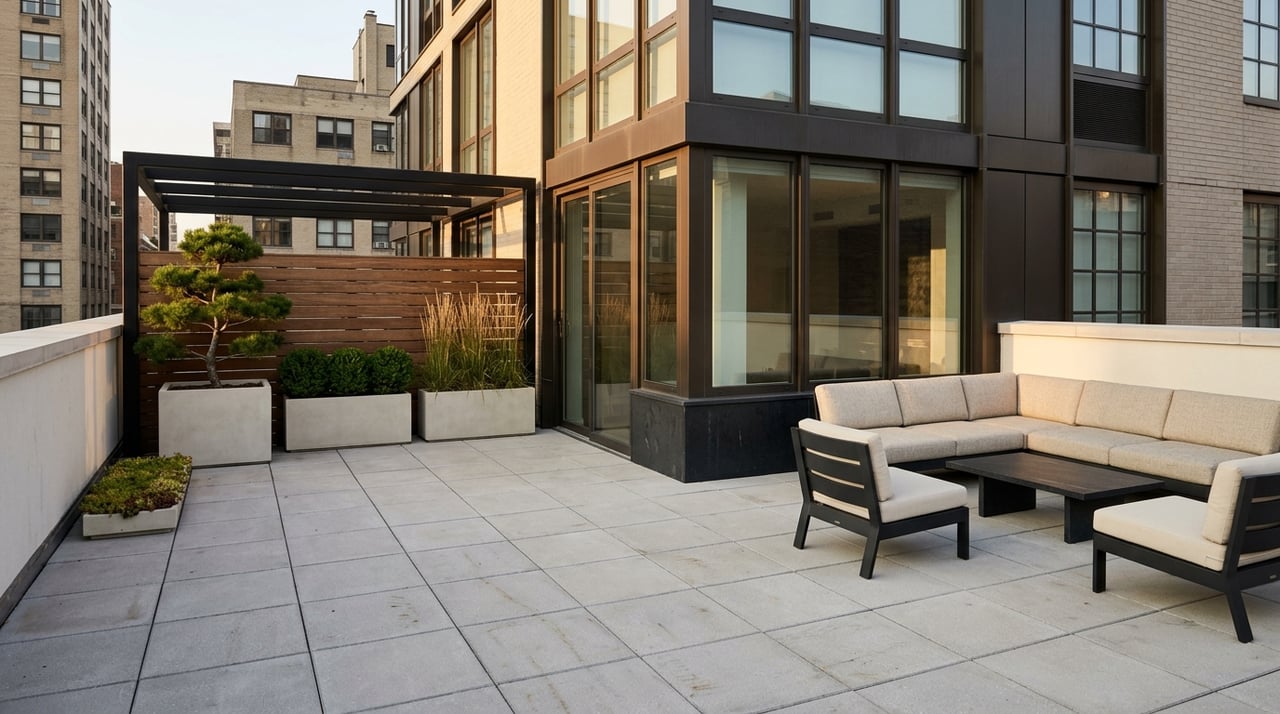
- You want privacy, a private entrance, and the possibility of a garden or roof deck.
- You plan to customize interiors more extensively and accept LPC oversight for visible exterior work.
- You are comfortable budgeting for all systems and capital projects, and potentially higher property taxes.
- You prize a unique asset and can navigate a more bespoke resale timeline.
Your next step
Choosing between a Village condo and a townhouse comes down to fit, control, financing, and long-term costs. If you want a clear, property-by-property comparison and a plan to secure the right home at the right terms, connect with the Greenwich Village specialists at Broadway Realty. Request a confidential consultation and move forward with confidence.
FAQs
What is the core difference between a condo and a townhouse in Greenwich Village?
- A condo buyer owns the interior of a unit plus a share of common elements governed by a board, while a townhouse buyer usually owns the entire structure and land with full maintenance responsibility, subject to City rules and any landmark requirements. See New York’s offering plan framework and a plain-language condo vs townhouse overview.
How do landmark rules affect townhouse renovations in the Village?
- Many Village homes are in historic districts, so exterior changes visible from the street typically need LPC review, which can affect design choices and timelines. Learn more from the NYC LPC Greenwich Village page.
What does condo “warrantability” mean for my mortgage?
- Lenders review the building’s budget, reserves, owner-occupancy, litigation, and more to determine eligibility for conventional or government-backed loans; non-warrantable buildings may require portfolio financing. See Fannie Mae’s condo project standards.
How do NYC property tax classes impact costs on Village homes?
- Most 1–3 family homes fall under Class 1 and most condos under Class 2, each with different assessment methods and caps, which can change annual tax bills. Review the City’s class and assessment overview and current tax rates.
What closing taxes should I expect on a high-priced Village purchase?
- New York imposes supplemental transfer taxes often called the mansion tax starting at $1,000,000, with higher rates at higher prices; budget for this in addition to standard closing costs. See this New York transfer tax summary.
What should I review if a Greenwich Village townhouse has tenants?
- Confirm lease terms and whether any units are rent-regulated, since regulations affect renewal rights and allowable increases; start with the state’s Residential Tenants’ Rights Guide.