Is Hell’s Kitchen still gritty, or is it now a polished Midtown neighbor with a waterfront backyard? If you are weighing a move, you want a clear picture of the blocks, the buildings, and the daily rhythm. In this guide, you will learn what the neighborhood feels like today, how people get around, what housing looks like, and what to expect from local development. Let’s dive in.
Hell’s Kitchen at a glance
Hell’s Kitchen, also known as Clinton, sits on Manhattan’s West Side from about West 34th Street to West 59th Street, between Eighth Avenue and the Hudson River. You are just west of Midtown’s Theater District and Times Square, and south of Midtown North. The area blends long‑time residents with arts professionals, young professionals, and families.
The vibe is urban and lively. The avenues near Eighth and Ninth are busier with restaurants and nightlife. Closer to the Hudson, things feel calmer during weekday business hours and open up to waterfront parkland. Expect typical Midtown traffic, plus spikes tied to Port Authority, Times Square, and large events near the Javits Center.
Housing and buildings
You will find a wide mix of buildings:
- Prewar walk‑ups and elevator buildings
- Postwar co‑ops and mid‑century rental blocks
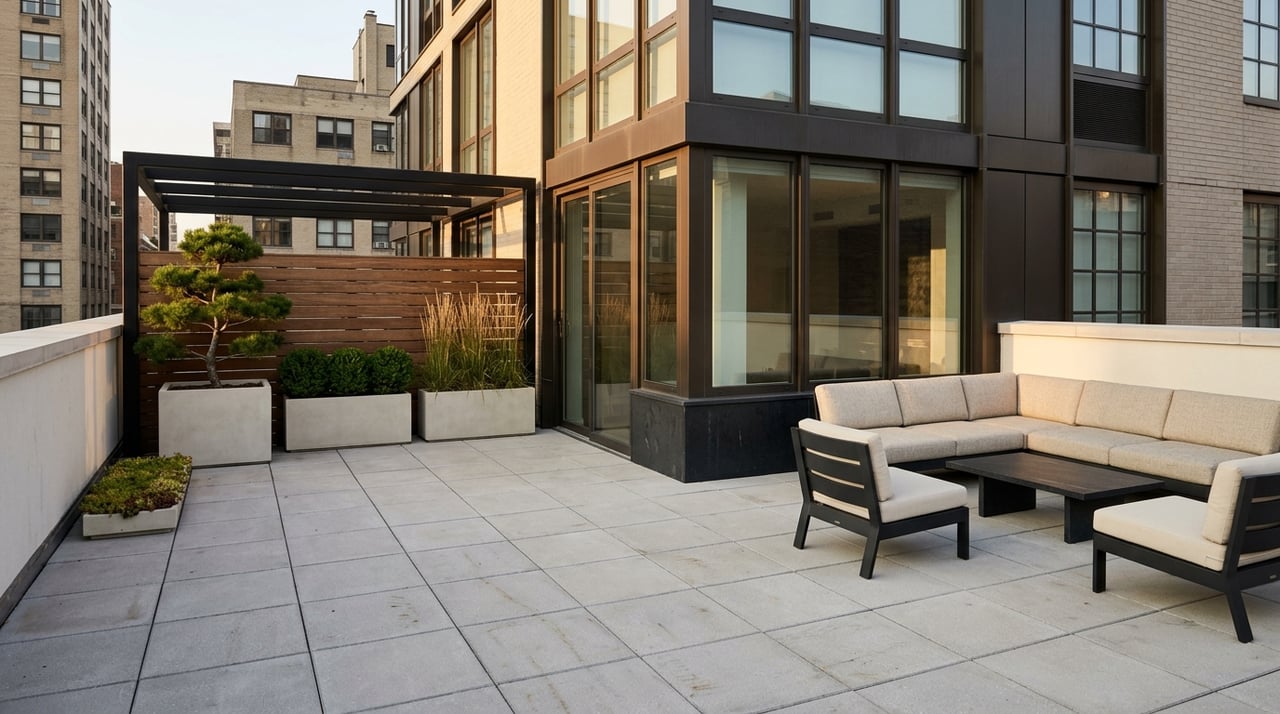
- Newer luxury condo towers along the far west side, especially near 11th Avenue and Hudson Yards
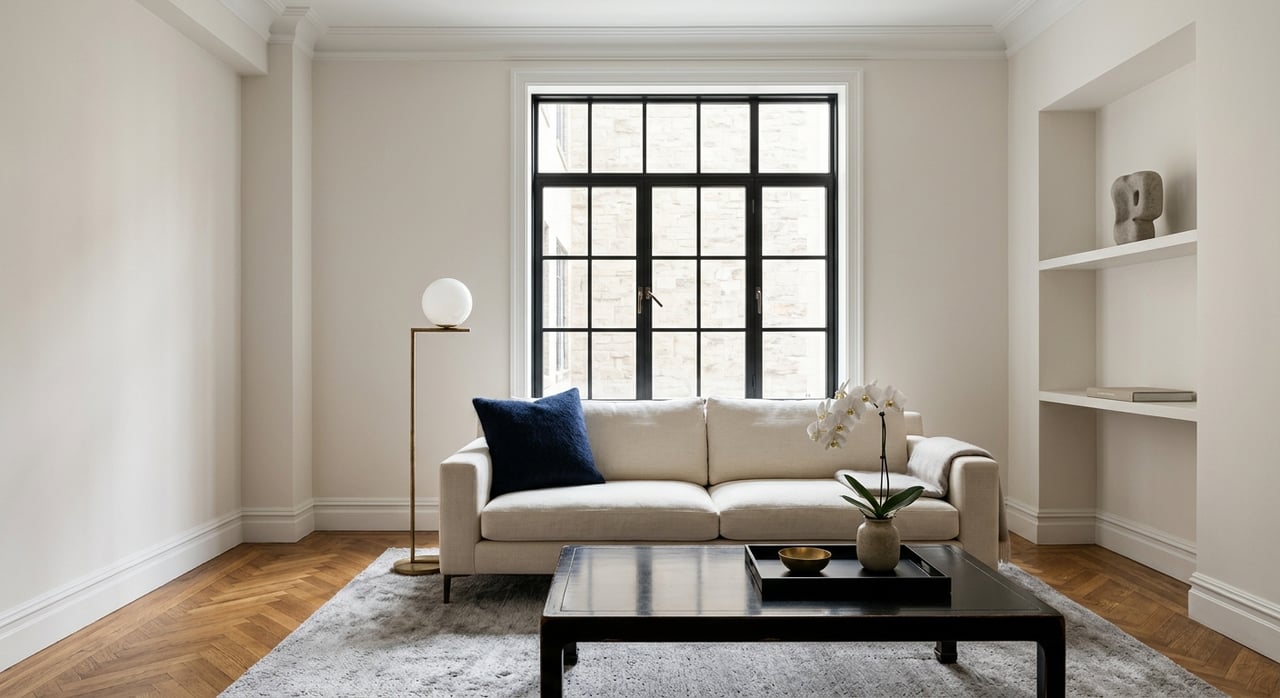
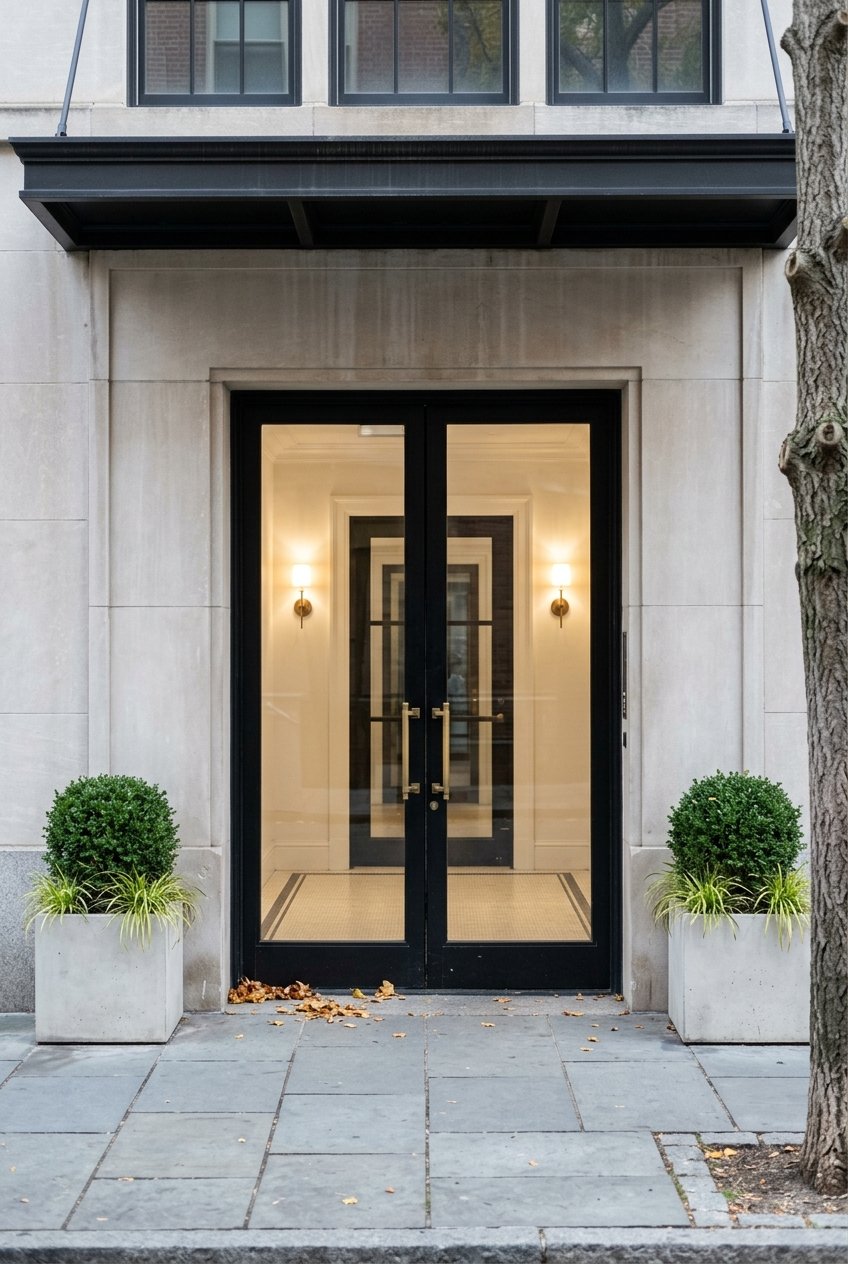
Townhouses are less common than in other parts of Manhattan. Many older buildings lack doormen or in‑building laundry, while newer developments may include doorman service, gyms, and shared lounges. The neighborhood has a large renter population alongside co‑ops and condos, which keeps options varied for both renters and buyers.
Like much of Manhattan, prices have trended up over the last decade, with the newest development clusters seeing the strongest pressure. For current median rents and sale prices, check recent neighborhood market reports before you tour. If you are buying, review co‑op board rules and common charges early. If you are renting, confirm lease terms, renewal policies, and any broker or building fees.
Getting around
Hell’s Kitchen is very walkable. Many daily errands, restaurants, and transit options are within a short walk of most addresses. The Hudson River Greenway runs along the neighborhood’s western edge and offers a car‑separated corridor for running, biking, and even bike commuting.
You are close to major subway hubs in Midtown, including Times Square–42 Street and 34 Street–Hudson Yards. Multiple bus lines run along the avenues. Car commuting can be slow and parking is limited and costly, so most residents choose the subway, buses, bikes, or walking. Regional and airport connections are within reach with some planning. LaGuardia is typically the quickest by travel time, and regional rail at Penn Station is a short subway or bus ride away.
Daily life: food, groceries, and nightlife
Dining is a standout. Ninth Avenue and the mid‑40s are packed with casual international spots, neighborhood diners, and mid‑priced restaurants, with newer upscale options toward the far west side. If you enjoy theater, after‑show bars and late‑night dining are routine here. You can plan dinner before a performance or grab a bite after curtain without leaving the neighborhood.
Grocery shopping is convenient. You will find national supermarkets, specialty food stores, and many delis and bodegas. Options vary by block, but most residents can walk to a full grocery store or mix in local markets for quick trips.
Parks and waterfront access
Hudson River Park lines the western edge with lawns, piers, and seasonal programming. It connects directly to the Greenway, so you can run or bike with river views. Within the neighborhood, DeWitt Clinton Park and smaller pocket parks serve residents with playgrounds and dog‑friendly areas. If you want more green space on weekends, Central Park and the Upper West Side are a short ride away.
When it’s busy, and where
Hell’s Kitchen is active throughout the week. The busiest corridors sit near Eighth and Ninth Avenues and the Theater District. You may notice extra congestion on event days around the Javits Center. If you are sensitive to noise, test any address at different times of day, including late afternoon, evening, and weekends.
Development and change
The far west side has seen major redevelopment. Hudson Yards and the Midtown West rezoning brought office towers, new residential high‑rises, and retail just west of the neighborhood. New construction concentrates along 11th Avenue and near major development nodes, while interior blocks keep more of their older, low‑rise housing stock.
Local conversations often focus on rising housing costs, construction impacts, and how to balance growth with neighborhood character. Manhattan Community Board 4 is a primary forum for land use and quality‑of‑life concerns in this area. If future change is a factor for you, review recent rezoning actions and public meeting notes as part of your due diligence.
Who lives here
- Young professional or roommate household. Mornings start with a quick coffee and a short walk to Midtown offices or transfers to other lines. Evenings often mean dinner on Ninth Avenue, a neighborhood bar, or a Broadway show nearby.
- Theater professional or arts worker. Many performers and backstage staff choose Hell’s Kitchen for its proximity to Broadway stages and rehearsal spaces.
- Family with children. Some postwar buildings offer larger floor plans. Proximity to playgrounds, the waterfront, and easy access to Upper West Side amenities can be appealing. School options are a mix of public and private; verify zones and programs through official resources.
- Downsizer or empty nester. Newer condos with doormen and amenities, plus walkability and cultural access, make the neighborhood a practical choice.
Buyer and renter checklist
Use this quick list to compare buildings and blocks:
- Location tradeoffs. Busier near Eighth and Ninth Avenues. Quieter toward the river during weekdays, with easy access to Hudson River Park.
- Building type. Older walk‑ups may have lower carrying costs but fewer amenities. Newer towers offer doormen and gyms, often with higher common charges or rents.
- Transit access. Map your daily commute to major hubs. Check subway transfers, bus routes, and bike lanes.
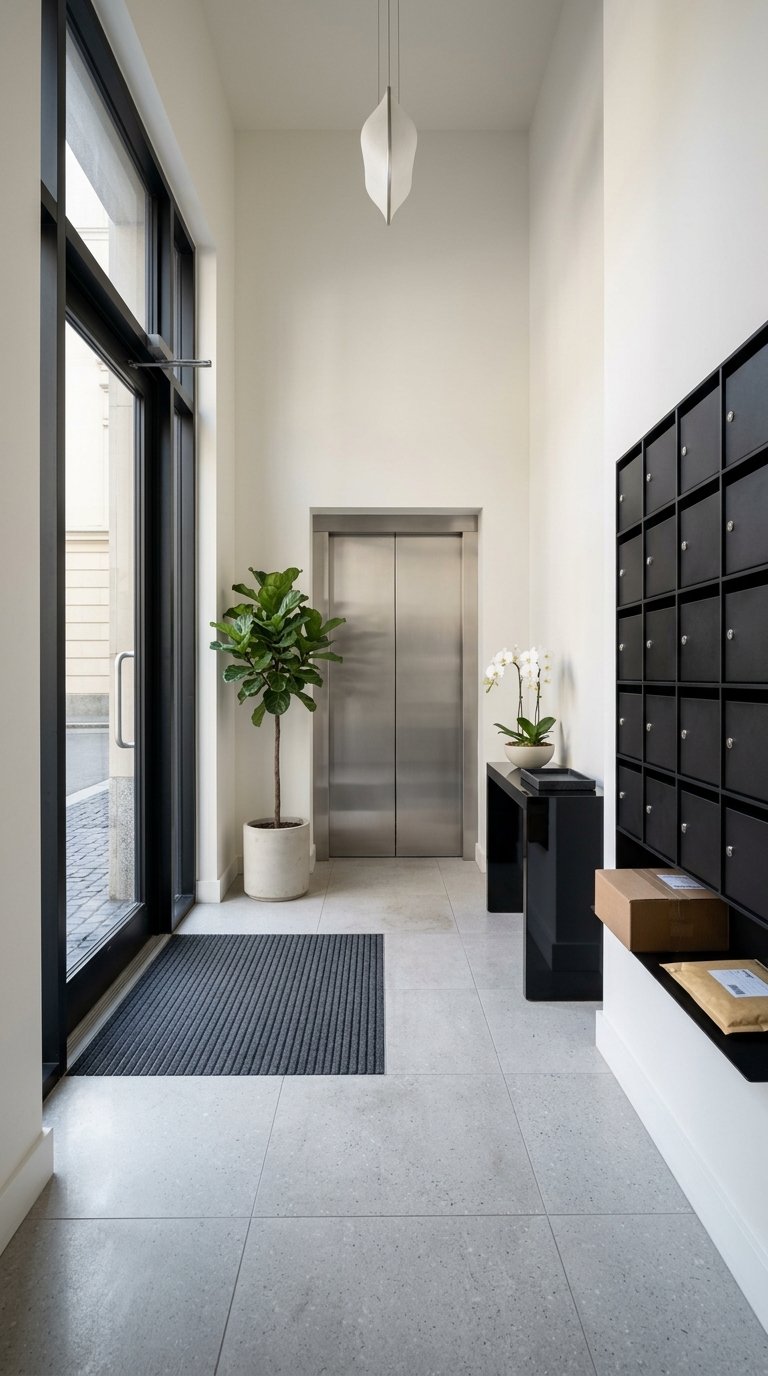
- Services. Confirm in‑building laundry, package rooms, and pet policies. Ask about superintendent coverage and staffing hours.
- Lease or board details. For rentals, review fees, renewals, and any concessions. For co‑ops and condos, review board requirements, sublet policies, reserves, and building financials.
- Noise and light. Visit at multiple times of day. Note proximity to bus routes, bars, and construction sites.
Is Hell’s Kitchen right for you?
Choose this neighborhood if you want an urban, energetic base with quick access to Midtown jobs, Broadway, and the Hudson River waterfront. You trade some serenity for convenience and culture, but you can find quieter pockets near the river and on interior side streets. With a wide spread of building types, you can prioritize value, amenities, or classic prewar character.
How Broadway Realty can help
You deserve a clear plan for this market. Whether you are buying a condo, applying to a co‑op, securing a rental, or evaluating an investment property, our team pairs senior‑level advice with full‑service support, including leasing and property management. If you want private guidance on specific buildings, board dynamics, or off‑market opportunities, we can help you compare options and act with confidence. Start the conversation with Broadway Realty.
FAQs
What are the boundaries of Hell’s Kitchen in Manhattan?
- Generally West 34th Street to West 59th Street, between Eighth Avenue and the Hudson River.
What is the overall vibe of Hell’s Kitchen today?
- Urban and lively, with busy dining and nightlife near Eighth and Ninth Avenues and calmer blocks closer to the Hudson during weekday hours.
What types of apartments are common in Hell’s Kitchen?
- Prewar walk‑ups and elevator buildings, postwar co‑ops, mid‑century rentals, and newer luxury condo towers along the far west side.
How is transit access from Hell’s Kitchen to Midtown and beyond?
- You are close to major Midtown hubs, frequent bus lines, and the Hudson River Greenway. Many residents walk, bike, or ride transit instead of driving.
Are there parks or waterfront areas in Hell’s Kitchen?
- Yes. Hudson River Park and the Greenway line the west side, and neighborhood parks like DeWitt Clinton Park offer playgrounds and green space.
Is Hell’s Kitchen noisy or crowded?
- Activity levels vary by block and time. Expect more noise near Port Authority, Times Square, and Javits Center during events. Visit addresses at different times to assess.
How are the schools in Hell’s Kitchen?
- The neighborhood offers a mix of public and private options. For specifics, review current zoning and program details through official school resources.