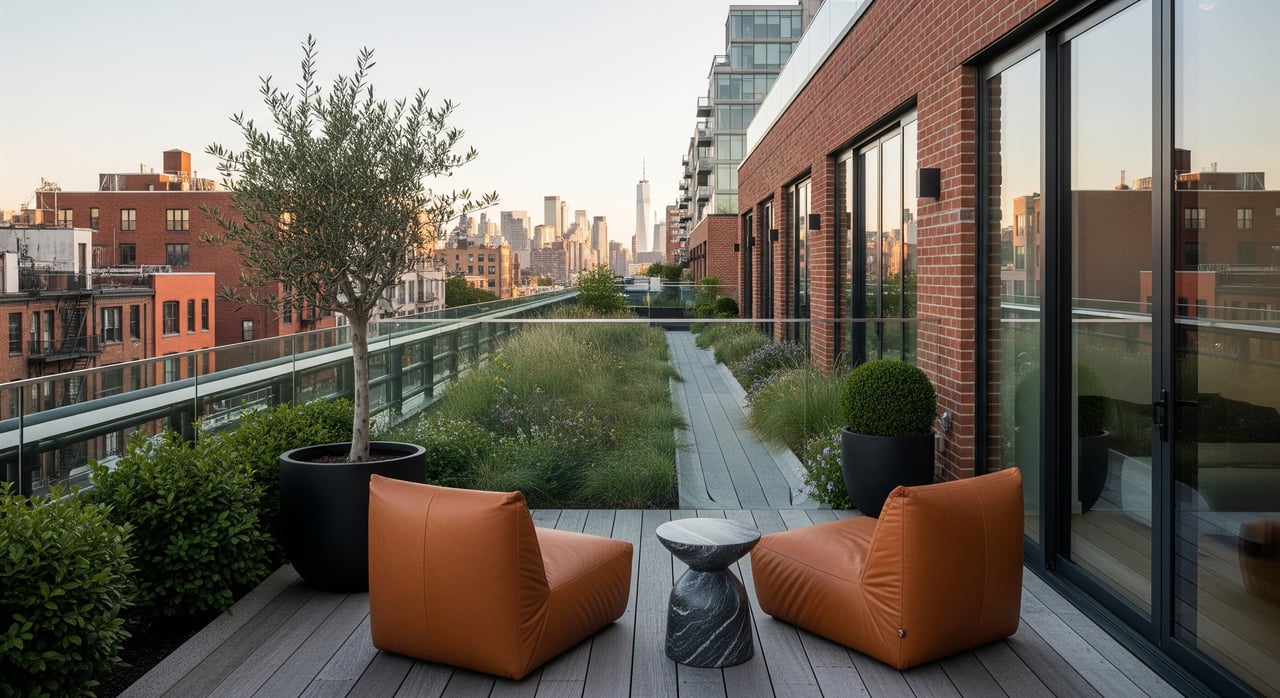
Curious what it is really like to live steps from the High Line? You get a front-row seat to one of Manhattan’s most celebrated parks, plus easy access to galleries, dining, and the waterfront. You also balance real tradeoffs like foot traffic, privacy on lower floors, and delivery congestion. This guide outlines the amenities, blocks, and lifestyle considerations that matter so you can choose confidently. Let’s dive in.
High Line living at a glance
The High Line runs along Manhattan’s West Side from Gansevoort Street to 34th Street between 10th and 11th Avenues. Entrances appear every few blocks, which makes quick park access part of daily life if you live nearby. For current park maps, entrances, hours, and rules, review the official guidance from Friends of the High Line.
West Chelsea is the heart of the corridor, with the Meatpacking District to the south and Hudson Yards to the north. Each node feels different. South skews lively at night and on weekends, mid-block West Chelsea is active during the day, and the north experiences surges during major events.
Building amenities to expect
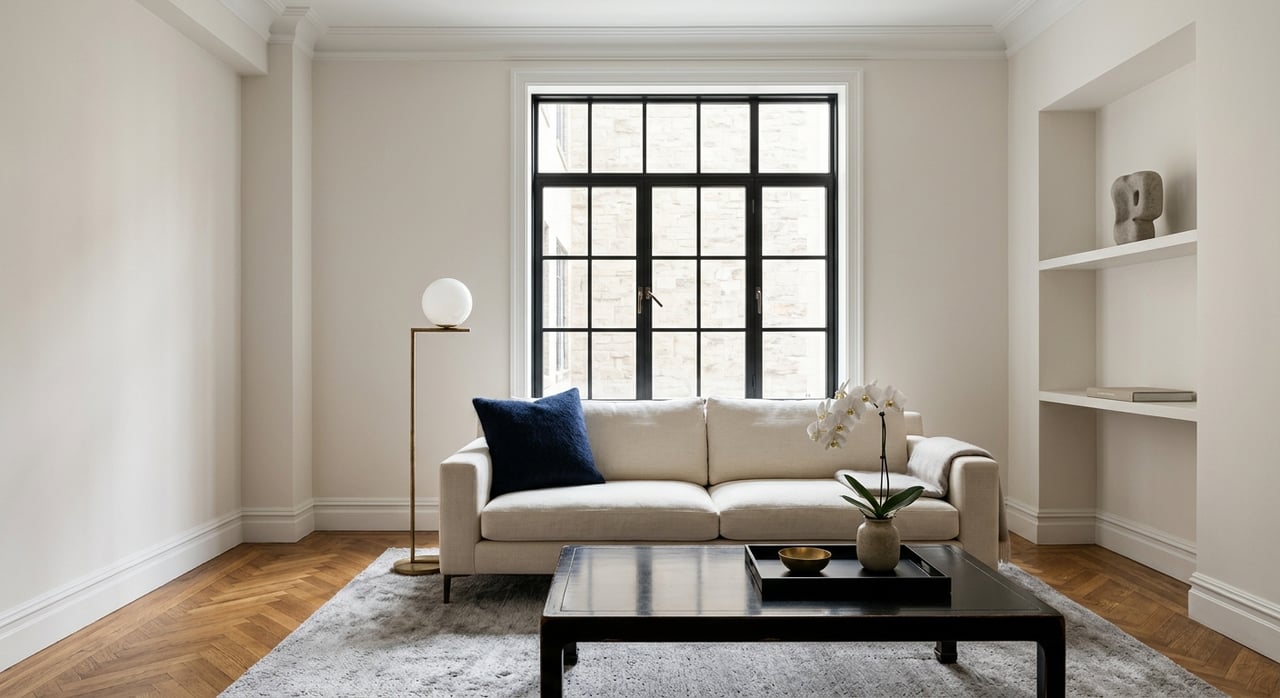
Chelsea offers a broad mix of buildings, from converted industrial lofts to new luxury towers. Amenity packages vary by tier:
- Entry-level rental or older co-op
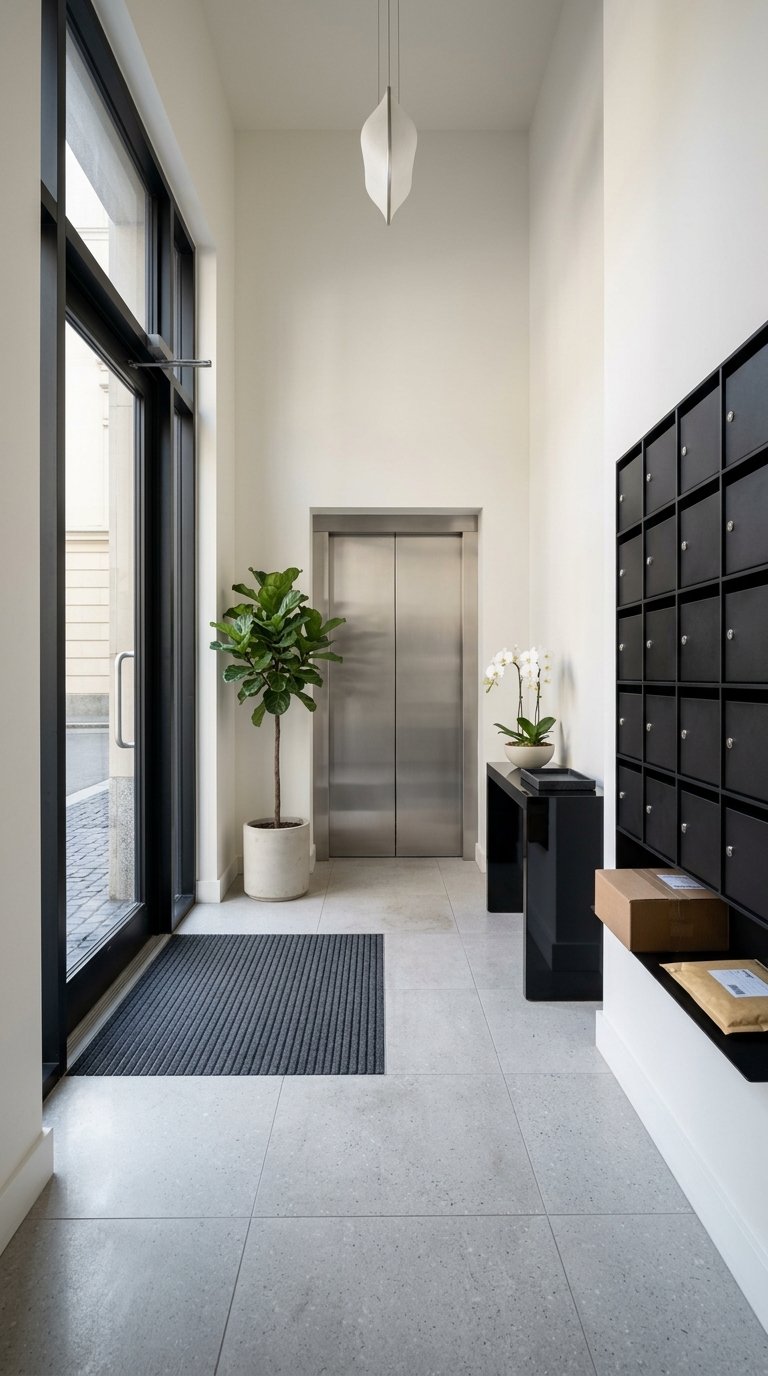
- Package lockers or a small package room
- Laundry room or occasional in-unit laundry
- Minimal fitness options
- Mid-tier condo or rental
- Staffed lobby or part-time attendant
- Package room or lockers and bicycle storage
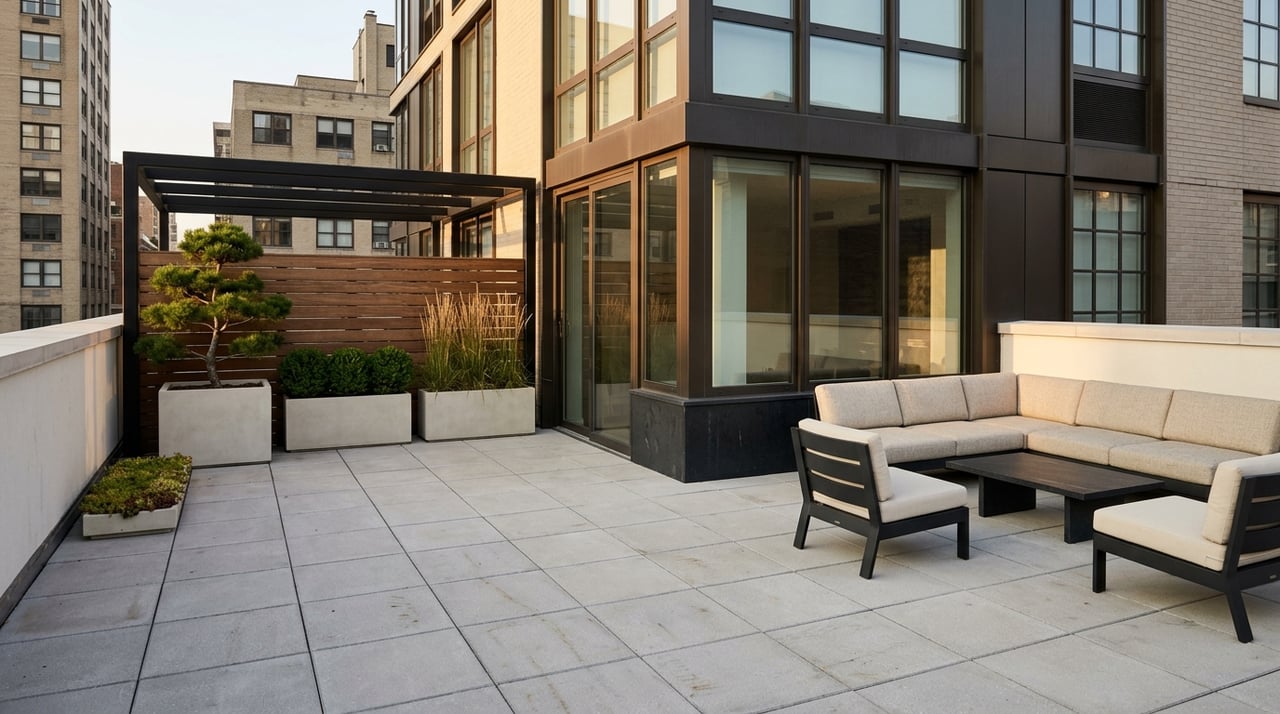
- In-building fitness center and shared roof deck or courtyard
- Luxury new development
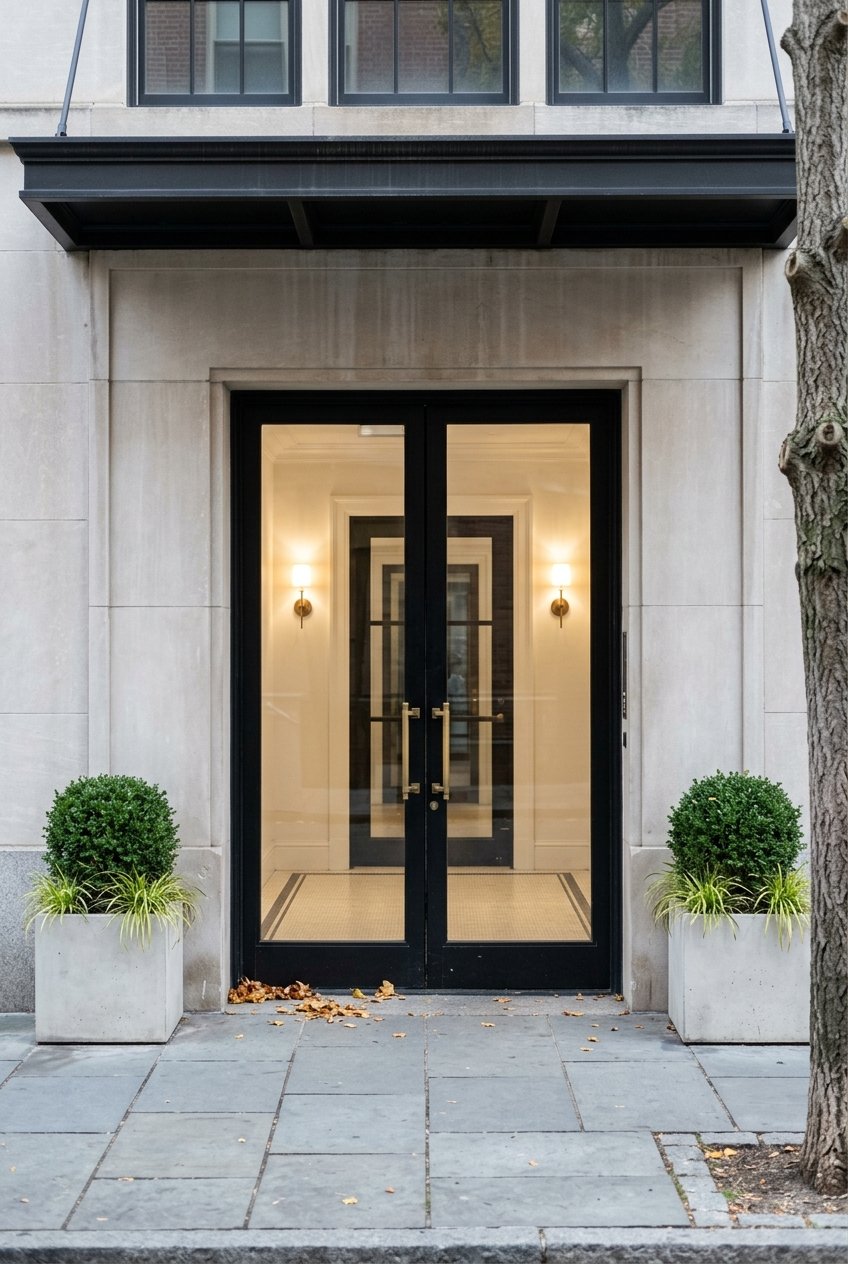
- Full-time doorman and concierge
- Resident lounges, landscaped terraces, and High Line views
- High-end gyms or spa areas, valet or private parking, pet amenities, advanced package systems
What to prioritize
- Outdoor space: balcony or terrace vs relying on the High Line and rooftop areas.
- Noise control: upgraded window glazing and solid HVAC help on busy blocks.
- Delivery management: package rooms and staff policies matter near high-traffic corridors.
- Bike storage: secure access pairs well with Citi Bike and West Side bike lanes.
Green space and outdoor access
The High Line provides curated plantings, seating, public art, and seasonal programs right outside your door. You are also within walking distance of the Hudson River waterfront, including Chelsea Piers and adjacent parks. Being directly next to the park can mean dramatic views but less privacy on lower floors. East-facing or higher-floor units usually offer quieter outlooks.
Dining, culture, and everyday life
Food, culture, and retail are core to the area’s appeal. Chelsea Market anchors the south and brings steady visitors. The surrounding Meatpacking District offers restaurants and nightlife that pick up on evenings and weekends. In West Chelsea, art galleries stretch along 10th and 11th Avenues in the 20s, creating daytime foot traffic and occasional event nights. Farther north, Hudson Yards and the Javits Center add services and event-driven crowds.
Transit and logistics
You have multiple subway options within walking distance depending on your block, including stations near 14th Street, the 23rd–28th Street corridors, and 34th Street–Hudson Yards. For current routes and advisories, use the MTA subway map. Citi Bike docks and bus routes line the West Side and cross streets. On-street parking is limited, so many residents use garages or ride-shares.
Crowd, noise, and privacy
Foot traffic is part of the experience near the High Line. The south end is busiest at night and on weekends, the mid-20s are active during gallery hours, and the north can surge during major events. Noise sources include conversations on the elevated walkway, service vehicles, nightlife, and street traffic. Mitigation includes higher floors, insulated windows, building setbacks, and landscaping screens.
A smart approach is to visit the block at different times to test your comfort level. Try a weekday morning commute, a lunchtime walk, an evening visit, and a weekend check-in. You will get a realistic sense of sound, privacy, and crowd patterns.
How to choose your block
- Blocks directly on the High Line
- Pros: immediate park access, potential views, proximity to culture
- Cons: heavier foot traffic, lower-floor privacy concerns, higher pricing
- One to three avenues east
- Pros: quieter, more residential feel, closer to subway lines on 6th and 7th Avenues
- Cons: longer walk to the park and waterfront
- South vs mid vs north
- South (Meatpacking): more nightlife and tourist flow
- Mid-West Chelsea: gallery energy and daytime activity
- North (Hudson Yards/34th): event-driven surges and newer development
For planning context, you can review neighborhood resources from the NYC Department of City Planning.
Your amenity-stack checklist
Use this quick list during showings and board your questions in advance:
- Building and services
- Doorman or concierge hours and staffing model
- Package handling and delivery policies
- Elevator count and service elevator access
- Fitness and wellness
- Gym size, fees, and equipment
- Roof access, reservation rules, and quiet hours
- Pets and household
- Pet policy details, fees, and dog amenities
- Nearby playgrounds or family services if relevant
- Unit and outdoor access
- Orientation and floor height (faces the park or faces east)
- Window glazing and HVAC type
- Balcony or terrace design, privacy screens
- Logistics and costs
- Parking availability and fees, on-site vs garage
- Utilities included and typical monthly costs
- Governance: co-op vs condo, sublet rules, board timelines, flip taxes, fee trends
- Operations and history
- Past or pending assessments and capital projects
- Recent common-area or exterior renovations
- Turnover or sublet frequency
Pets and park rules
Many buildings allow pets, but rules vary by building and by unit type. If you plan to walk near or onto the park, confirm current guidance on pets and visitor etiquette directly with Friends of the High Line. Always verify building policies, pet fees, and any size limits before you apply or submit an offer.
Smart viewing schedule
- Weekday morning: test commute routes and observe deliveries.
- Weekday lunch: check gallery and market foot traffic.
- Weeknight and weekend night: gauge nightlife noise and crowds.
- Rainy day: see how umbrellas and puddles affect entries and sidewalks.
Final guidance
Living near the High Line blends daily park access with a distinctly urban rhythm. If you value culture, dining, and design-forward buildings, Chelsea’s corridor delivers. The right unit and amenity mix will balance views, privacy, and convenience for your routine.
If you want a curated shortlist that fits your lifestyle and investment goals, connect with a team that knows the blocks building by building. Request a confidential consultation with Broadway Realty to compare options, schedule targeted tours, and move forward with clarity.
FAQs
Is living next to the High Line noisy in Chelsea?
- Expect more activity at lower floors and near entrances, with higher floors typically quieter; visit at different times to confirm your comfort level.
Will High Line proximity impact resale value?
- Multiple municipal and academic studies link the corridor to increased development and higher land values, but verify price impact with current comps by block and building type.
How close are subways if you live near the High Line?
- Several lines are a short walk depending on your block, including 14th Street, 23rd–28th Street corridors, and 34th Street–Hudson Yards; check the MTA subway map for exact routes.
Where can you confirm park hours and pet rules?
- Review current maps, entrances, hours, and guidance with Friends of the High Line.
How can you review safety data for Chelsea blocks?
- Look up recent neighborhood statistics through official NYPD CompStat reports and consider patterns by time of day before deciding.