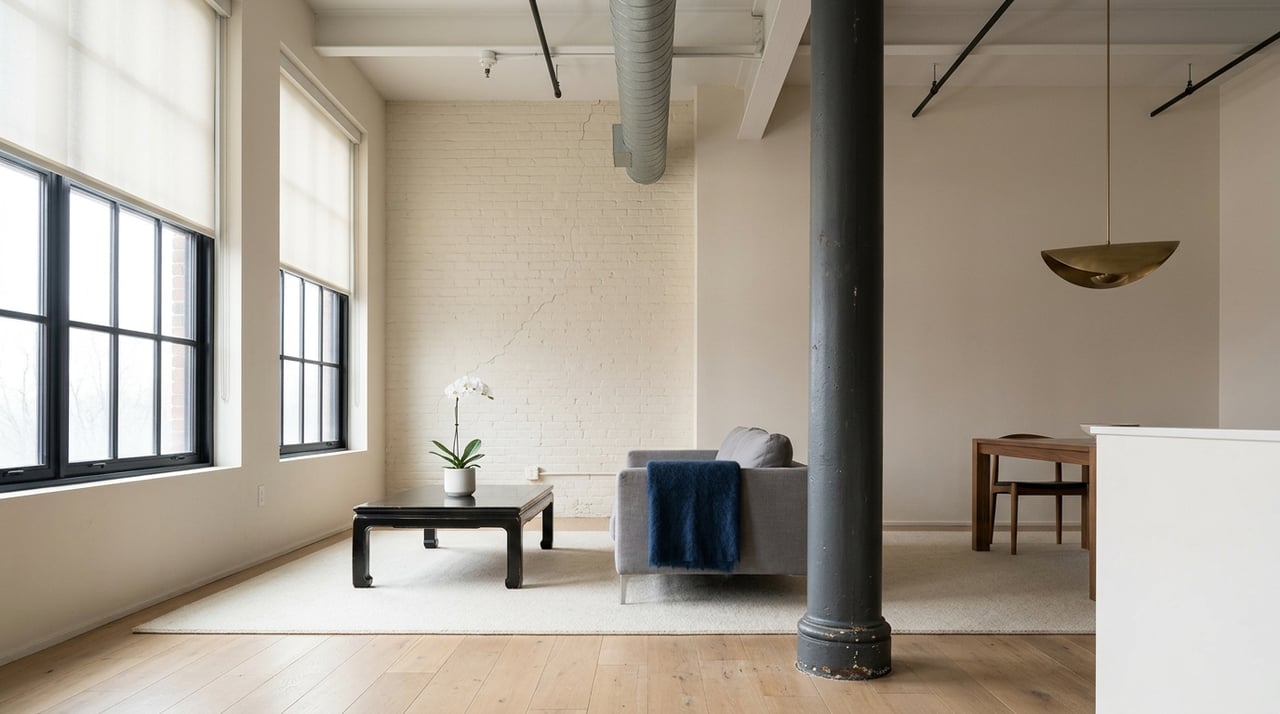
If you are shopping for a Soho loft conversion, it is easy to fall for the ceilings, scale, and industrial charm before you ask the most important question: what can you legally do with the space? In Soho, a beautiful loft is not always the same thing as a straightforward residential purchase. If you want to buy with confidence, you need to understand legal use, building rules, and renovation limits before you focus on finishes. Let’s dive in.
Why Soho lofts are different
Soho does not read like a typical apartment neighborhood because much of its building stock was created for commercial and manufacturing use. Many of the area’s classic loft buildings were built after the Civil War as store-and-loft buildings, and that history still shapes how these homes look and function today.
That is also part of why Soho remains so sought after. The open volume, exposed structure, and industrial character buyers expect are tied to the original building form, not just modern interior design. Even a fully updated home may still carry the DNA of an old industrial building.
Another layer matters just as much: historic context. Much of Soho overlaps designated historic districts, including the SoHo-Cast Iron Historic District and related extensions. That can affect what work is allowed, how changes are reviewed, and how long alterations may take.
Start with the unit’s legal status
Before you evaluate kitchen finishes or natural light, confirm the loft’s legal category. In Soho, a loft may be a legal residential unit, a Joint Living-Work Quarters for Artists unit, or an Interim Multiple Dwelling covered by the Loft Law. Those categories are not interchangeable.
This is the first due diligence step because the legal status affects who may occupy the unit and whether more conversion work is required. A loft can look fully turnkey in photos and still come with occupancy limits or unresolved legalization issues.
What a JLWQA designation means
A JLWQA unit is not the same as ordinary residential housing. In Soho and NoHo manufacturing districts, occupancy is limited to certified artists and certain other lawful occupants under city rules.
That means a non-artist buyer should not assume they can move in right after closing. If the purchaser or intended occupants do not meet JLWQA requirements, the unit generally must be converted to lawful residential use before ordinary residential occupancy.
DOB also states that conversions to new JLWQA use in the current SNX special district have been prohibited after December 15, 2021. Existing JLWQA use may continue, but the same occupancy restrictions still apply.
How IMD lofts differ
An IMD unit falls under a different framework. The Loft Law applies to certain former commercial or manufacturing spaces that do not have a residential certificate of occupancy and meet the law’s occupancy criteria.
If a unit is under Loft Board jurisdiction as an IMD, DOB states it is not subject to the JLWQA conversion process. It may be occupied as residential use without Department of Cultural Affairs artist certification.
For a buyer, that distinction is critical. Two lofts may look nearly identical, but one may be a standard residential purchase while the other requires a very specific legal review.
Understand what conversion may involve
If a JLWQA unit is being converted to residential use, the process is more than paperwork. DOB says it generally involves certification by the City Planning Commission chair, a one-time non-refundable contribution to the SoHo-NoHo Arts Fund, code-related work as needed, and issuance of a DOB certificate of occupancy.
The good news is that this can be handled unit by unit rather than requiring a building-wide conversion. Still, that does not make it simple. Timing, cost, and compliance should all be reviewed carefully before you commit to a purchase.
This is where experienced attorney and architect review becomes especially important. In Soho, the legal path matters as much as the property itself.
Check ceiling height and mezzanine legality
High ceilings are one of the biggest reasons buyers pursue loft living. In Soho, those dramatic proportions come directly from the neighborhood’s historic industrial buildings.
But ceiling height is not only an aesthetic feature. It can also become a code question, especially if the unit includes a lofted sleeping area, mezzanine, or partial upper level.
DOB guidance for IMD alterations includes minimum room and mezzanine height requirements and clear-height rules for habitable spaces. So if a listing shows a striking upper platform or sleeping loft, do not assume it counts as fully legal living area without professional review.
Why layout matters beyond style
Original industrial details often add value, but they can also limit flexibility. Columns, beams, and irregular spans may affect how you place furniture, build storage, or rework the floor plan later.
That is why layout should be reviewed as a practical issue, not just a design feature. A loft may feel expansive in person, yet still present constraints that matter once you live there day to day.
Review permits, violations, and occupancy records
In Soho, paperwork can tell you more than staging ever will. You want to understand whether the building and the unit reflect legal use, completed approvals, and resolved construction history.
A certificate of occupancy is central to that review. DOB states that a CO identifies the legal use and permitted occupancy of a building, and that no one may legally occupy a building until the department has issued a CO or temporary CO.
No CO does not always mean no deal
Some older loft buildings were built before current CO requirements. DOB notes that pre-1938 buildings may not have a certificate of occupancy unless later alterations changed use, egress, or occupancy.
In those cases, a Letter of No Objection may help establish legal use. So the absence of a CO is not automatically disqualifying, but it is always a signal for deeper attorney and architect review.
Open DOB items can affect your timeline
Even when a unit looks completed, unresolved DOB issues can create delays or risk. Open violations, stop-work orders, borough commissioner requirements, and pending inspections may hold up final CO issuance.
For a buyer, that makes open permits and unresolved legalization work essential parts of due diligence. You want a clear picture of what is finished, what is filed, and what may still need sign-off.
Historic district rules can shape renovations
Many Soho buildings sit within designated historic districts, and that matters if you plan to renovate. The Landmarks Preservation Commission requires permits before work affecting the exterior and, in some cases, the interior of a designated landmark property.
Applications often require documents such as photographs and architectural plans. In practical terms, that means a renovation may involve more review than a standard apartment project in another neighborhood.
If you are buying with plans to alter windows, façade elements, or building features tied to the historic property, review those limits early. In Soho, renovation potential is closely tied to landmark and permit requirements.
A smart Soho loft buying checklist
Before you move forward on a loft conversion in Soho, make sure your due diligence covers the basics below:
- Confirm whether the unit is legal residential, JLWQA, or IMD
- Verify whether the intended occupants can lawfully live there now
- Review whether any conversion to residential use is still required
- Check the certificate of occupancy status or whether a Letter of No Objection applies
- Ask about open DOB violations, permits, stop-work orders, and pending inspections
- Review mezzanines, lofted sleeping areas, and ceiling heights for code compliance
- Understand whether landmark rules affect future renovation plans
- Evaluate the floor plan for columns, beams, and other structural constraints
What matters most when you buy
The right Soho loft can offer scale, character, and architectural presence that are hard to match anywhere else in Manhattan. But buying well means looking past the romance of exposed brick and oversized windows.
Your real leverage comes from understanding legal use, conversion status, permit history, and building constraints before you close. When you get those pieces right, you can judge the loft on both its beauty and its true usability.
If you are considering a Soho loft purchase and want experienced, discreet guidance on evaluating the asset as well as the opportunity, request a confidential consultation with Broadway Realty.
FAQs
What should you verify before buying a Soho loft conversion?
- You should confirm the unit’s legal status, occupancy rules, certificate of occupancy history, permit record, any open DOB issues, and whether landmark rules may affect future work.
Can a non-artist live in a Soho JLWQA loft?
- Not automatically. JLWQA occupancy is limited to certified artists and certain other lawful occupants, so a non-artist buyer may need the unit converted to lawful residential use before ordinary occupancy.
What is an IMD loft in Soho?
- An IMD is a former commercial or manufacturing space covered by the Loft Law that lacks a residential certificate of occupancy but meets statutory occupancy criteria.
Does every older Soho loft building have a certificate of occupancy?
- No. DOB states that some pre-1938 buildings may not have a CO unless later alterations changed use, egress, or occupancy.
Why do mezzanines matter in a Soho loft purchase?
- Mezzanines and lofted sleeping areas may trigger minimum height and habitable space rules, so they should be reviewed carefully before you treat them as legal living area.
Can landmark rules affect a Soho loft renovation?
- Yes. If the building is in a designated historic district, certain exterior work and some other changes may require Landmarks Preservation Commission review and permits.