Wondering whether a luxury high-rise rental in the Financial District is worth it? If you are relocating, upgrading your rental, or simply trying to make sense of FiDi’s fast-moving inventory, it helps to know what you are really paying for. In this guide, you will get a practical look at pricing, lease structure, building types, amenities, and everyday livability so you can rent with more confidence. Let’s dive in.
Why renters choose FiDi
The Financial District works differently from many other Manhattan neighborhoods. It still functions like a central business district, which means streets are often busiest during work hours and quieter later in the evening. For many renters, that tradeoff is exactly the point.
If you value commute efficiency, strong transit access, waterfront proximity, and newer amenity-rich buildings, FiDi can be a smart fit. StreetEasy notes that the area has become increasingly residential thanks to renovated apartments, convenient transportation, and water views. At the same time, you should expect a calmer nighttime feel than in some other downtown areas.
FiDi rent in context
FiDi is expensive, but it can compare favorably with nearby luxury markets. StreetEasy reports a neighborhood median base rent of $4,695. That is below nearby Battery Park City at $5,250, SoHo at $5,995, and Tribeca at $7,897.
That price positioning matters if you want downtown access without paying top-tier Tribeca numbers. It also helps explain why FiDi remains attractive to professionals who want a polished rental experience with modern perks. Still, base rent is only part of the story, especially in a neighborhood where concessions are common.
Luxury building types in FiDi
One of FiDi’s biggest strengths is variety within the luxury category. Some rentals are located in converted landmark buildings, while others are in modern towers built with large amenity packages in mind. That gives you more than one version of “luxury” to compare.
For example, 70 Pine is a landmarked Art Deco building from 1932 that was repositioned as modern residential housing. By contrast, 8 Spruce is a 76-story tower designed by Frank Gehry. In practical terms, you may find yourself choosing between historic character and a more contemporary high-rise feel, even within the same submarket.
Common apartment layouts
FiDi’s rental inventory is broader than many newcomers expect. Across current building offerings and neighborhood listings, layouts include:
- Studios
- Alcove studios
- Studios with home office space
- One-bedroom apartments
- Two-bedroom apartments
- Larger three-, four-, and five-bedroom homes in select buildings
- Penthouses in select properties
That range matters because FiDi is not only for solo renters. Current listings cited in the research show both compact studios and larger multi-bedroom residences, including homes around 1,400 square feet at 106 Fulton Street. If you need extra workspace or more flexible square footage, the neighborhood does offer options.
Amenities often drive the value
In FiDi, amenities are not just a bonus. They are often a major part of the rental pitch and a real factor in how buildings price units. When you compare listings, it is important to weigh the amenity package against the rent premium.
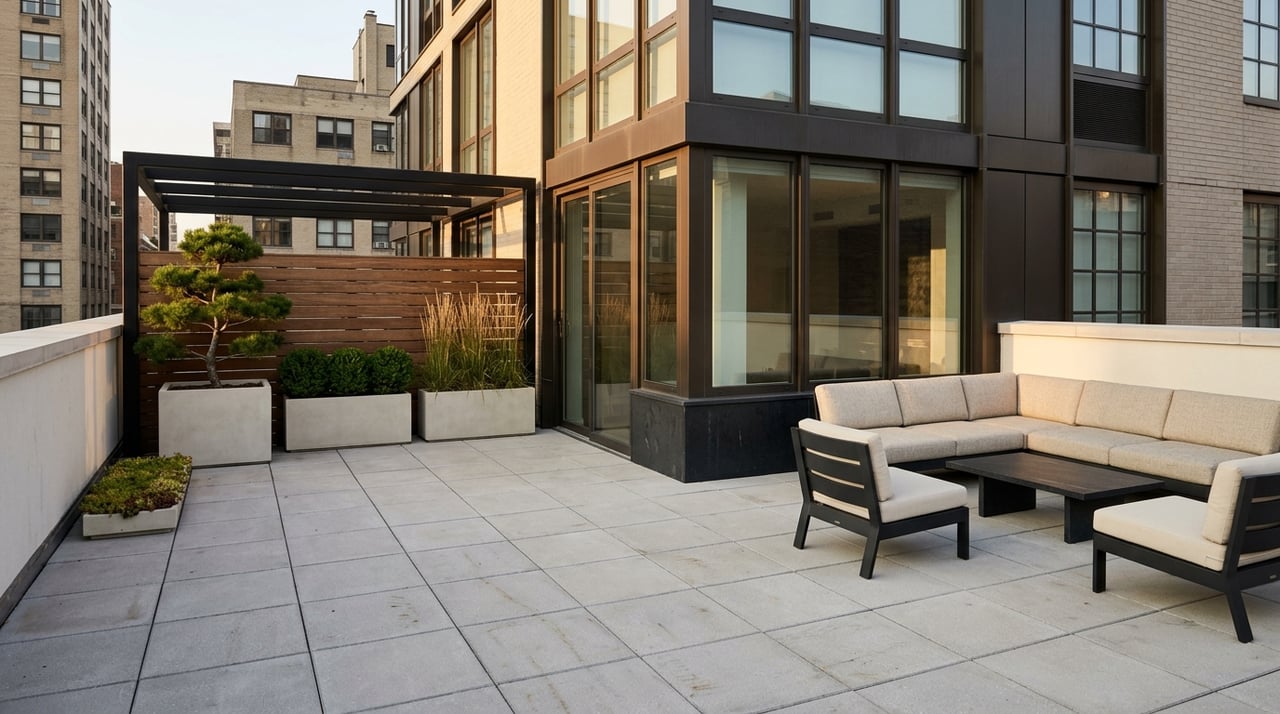
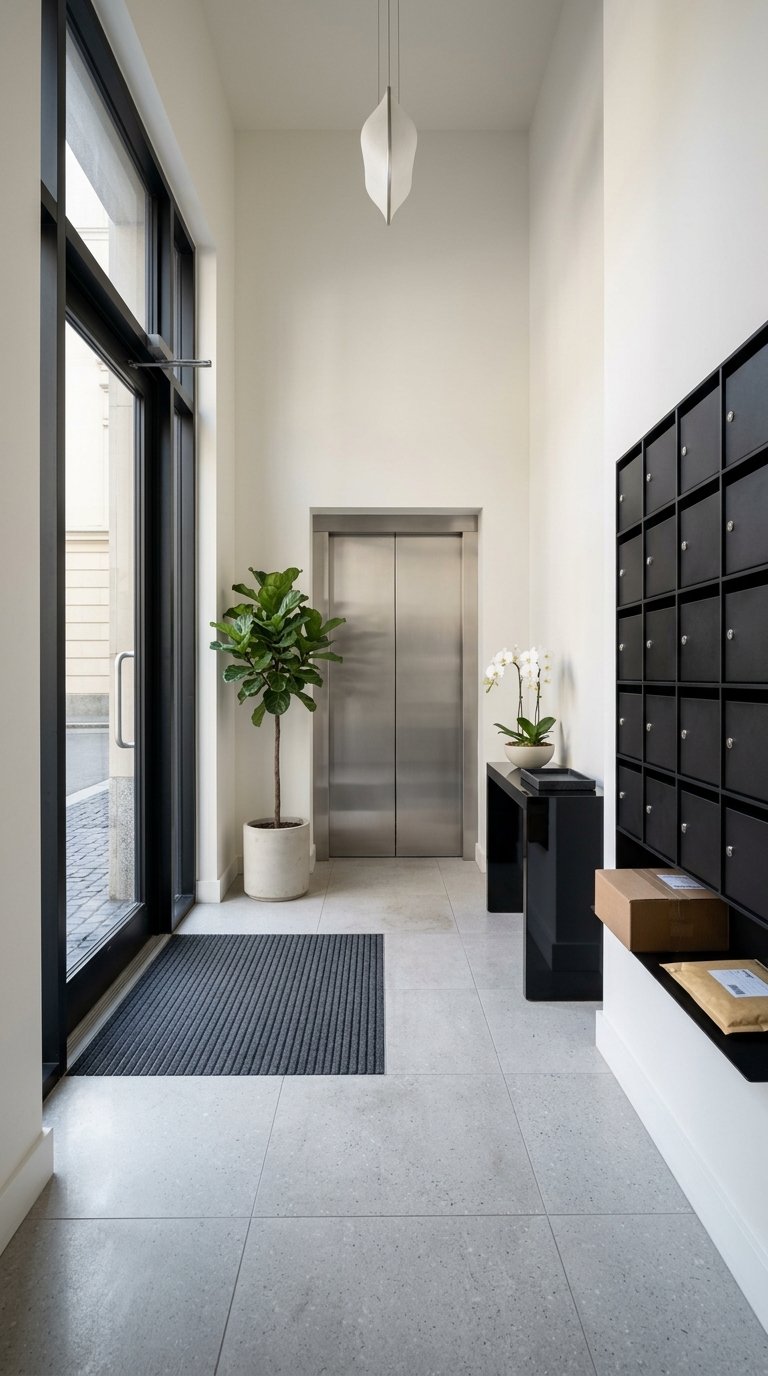
Amenity offerings in the neighborhood can be extensive. Examples from current buildings include roof decks, courtyards, fitness centers, pools, yoga studios, coworking lounges, resident libraries, screening rooms, golf simulators, bowling, valet service, lounges, attended lobbies, and concierge services.
What to ask about amenities
Before you decide a building is worth the rent, ask practical questions such as:
- Which amenities are included in rent?
- Are any amenities seasonal, like pools or roof spaces?
- Is coworking space usable for daily remote work?
- Are there booking rules for lounges or entertainment rooms?
- How important is a 24-hour attended lobby or concierge to your routine?
If you work long hours, travel often, or spend significant time at home, these details can shape your day-to-day experience. In FiDi, where many buildings market large amenity packages, the right setup can make a noticeable difference.
Understand net versus gross rent
This is one of the most important parts of renting in FiDi. Headline pricing may not reflect what you will actually pay over time, because many listings advertise concessions such as free rent. If you compare apartments based only on the top-line monthly number, you can easily misread the deal.
Current StreetEasy inventory shows 12-month leases with 0.5 to 1 month free. Separately, 55 Broad states that its advertised pricing reflects net effective rent on a 27-month lease with the first three months free. That means two listings with similar advertised monthly rates may have very different actual obligations.
The three numbers you should compare
Whenever you evaluate a FiDi luxury rental, ask for these three figures:
- Gross rent: the full monthly rent before concessions
- Net effective rent: the averaged monthly rate after concessions are applied
- Concession length: how much free rent is being offered and over what lease term
StreetEasy notes that neighborhood base rent figures do not include fees. That is why it is so important to review the full cost structure before you apply.
FiDi lease terms and renter fees
Lease structures in FiDi can vary more than renters expect. Some buildings use standard 12-month terms, while others advertise longer lease periods tied to promotional pricing. Read the lease carefully so you understand how the quoted rent connects to the actual term.
New York City renter rules are especially important here. According to the Department of Consumer and Worker Protection, the FARE Act took effect on June 11, 2025. It prohibits landlords and landlord agents from charging tenants the broker fees of landlord-hired brokers, requires fee disclosure before a lease is signed, and still allows tenants to voluntarily hire their own broker.
The city also limits apartment application fees. HPD’s Tenant Bill of Rights states that landlords cannot charge more than $20 for an apartment application. HCR states that security deposits cannot exceed one month’s rent.
A smart fee checklist
As you narrow your options, confirm these items before applying:
- The gross rent
- The net effective rent
- The exact concession being offered
- All tenant-paid fees disclosed before lease signing
- The application fee amount
- The security deposit amount
- Whether you are hiring your own broker or working directly with a listing side
For stabilized units, HCR says renewal leases are generally offered for one or two years, and HPD says tenants should receive at least 30 days’ renewal notice. Most FiDi luxury rentals are market-rate, but it is still wise to review renewal language closely.
Transit is one of FiDi’s biggest strengths
For many renters, FiDi’s best luxury feature is not inside the building. It is the neighborhood’s transportation network. If you need fast access across Manhattan, to Brooklyn, or into New Jersey, FiDi stands out.
The MTA says Fulton Center connects five subway stations serving nine lines and handles up to 300,000 daily customers. The Port Authority says the Oculus connects 12 subway lines and the World Trade Center PATH station. NYC DOT also notes that the Staten Island Ferry is free and runs between Whitehall and St. George, with Whitehall Terminal connected to the 1, R/W, 4/5, and J/Z trains.
Why transit access matters when renting
Strong transit gives you more than a shorter commute. It can also offer flexibility when service changes affect one line or station. In FiDi, that subway and PATH redundancy is a major practical advantage.
This is especially relevant if you commute to New Jersey or need regular access to different parts of the city. When touring apartments, verify the closest station entrance rather than just the nearest station name, since a few blocks can change your daily routine.
Waterfront access and outdoor space
FiDi’s southern waterfront is another part of its appeal. The Battery sits at Manhattan’s southern tip next to Whitehall Ferry Terminal, and its bikeway links the East River Esplanade to the Hudson River Park bikeway. That gives renters access to outdoor space that can feel surprisingly useful in a dense part of the city.
The city’s Financial District and Seaport Climate Resilience Master Plan also envisions a continuous waterfront esplanade and new public open spaces stretching nearly a mile from The Battery to the Brooklyn Bridge. Long term, that supports the neighborhood’s outdoor and public-space appeal.
There is one practical caution. Parts of The Battery are currently affected by coastal resilience construction, and broader Lower Manhattan waterfront projects are designed to protect the area from storm surge and sea-level rise while expanding public space. If waterfront access is a major reason you are choosing FiDi, it is worth checking current conditions around the areas you expect to use most.
Is FiDi the right luxury rental fit for you?
FiDi tends to work best if you prioritize efficiency, building amenities, and a polished rental product over a dense late-night neighborhood scene. You may find excellent value here if you want downtown location, modern conveniences, and broad transit access in one package. You may be less enthusiastic if your top priority is a lively residential streetscape late into the evening.
In simple terms, FiDi offers a clear tradeoff. You get strong transportation links, newer and often well-amenitized buildings, and access to waterfront open space. In return, you should expect a neighborhood that can feel more business-oriented and quieter after hours than some nearby downtown alternatives.
If you want help comparing gross versus net pricing, sorting through concessions, or identifying the right FiDi building for your routine, Broadway Realty offers discreet, practical guidance grounded in deep Manhattan market knowledge.
FAQs
What is the typical rent level for luxury rentals in the Financial District?
- StreetEasy reports a neighborhood median base rent of $4,695 in FiDi, which is below nearby Battery Park City, SoHo, and Tribeca.
What apartment types are available in FiDi luxury high-rises?
- FiDi inventory includes studios, alcove studios, studios with home office space, one- and two-bedrooms, and in some buildings larger three-, four-, and five-bedroom homes plus penthouses.
What does net effective rent mean in a FiDi rental listing?
- Net effective rent is the average monthly rent after concessions, such as free months, are spread across the lease term, while gross rent is the full monthly rent before those concessions.
What renter fees should you expect in New York City?
- New York City rules require fee disclosure before lease signing, application fees cannot exceed $20, and security deposits cannot exceed one month’s rent.
Why is transit a major reason to rent in the Financial District?
- FiDi offers exceptional access to multiple subway lines through Fulton Center and the Oculus, plus PATH service and the free Staten Island Ferry at Whitehall Terminal.
Is the Financial District a quiet neighborhood at night?
- Compared with some other downtown areas, FiDi is generally quieter after business hours because it still functions in many ways like a central business district.
Do FiDi luxury buildings usually include amenities?
- Many do, and amenity packages can include pools, fitness centers, roof decks, coworking lounges, concierge service, attended lobbies, and other shared spaces.
Is waterfront access in the Financial District always fully open?
- Not always, because parts of The Battery and other Lower Manhattan waterfront areas can be affected by ongoing coastal resilience construction.