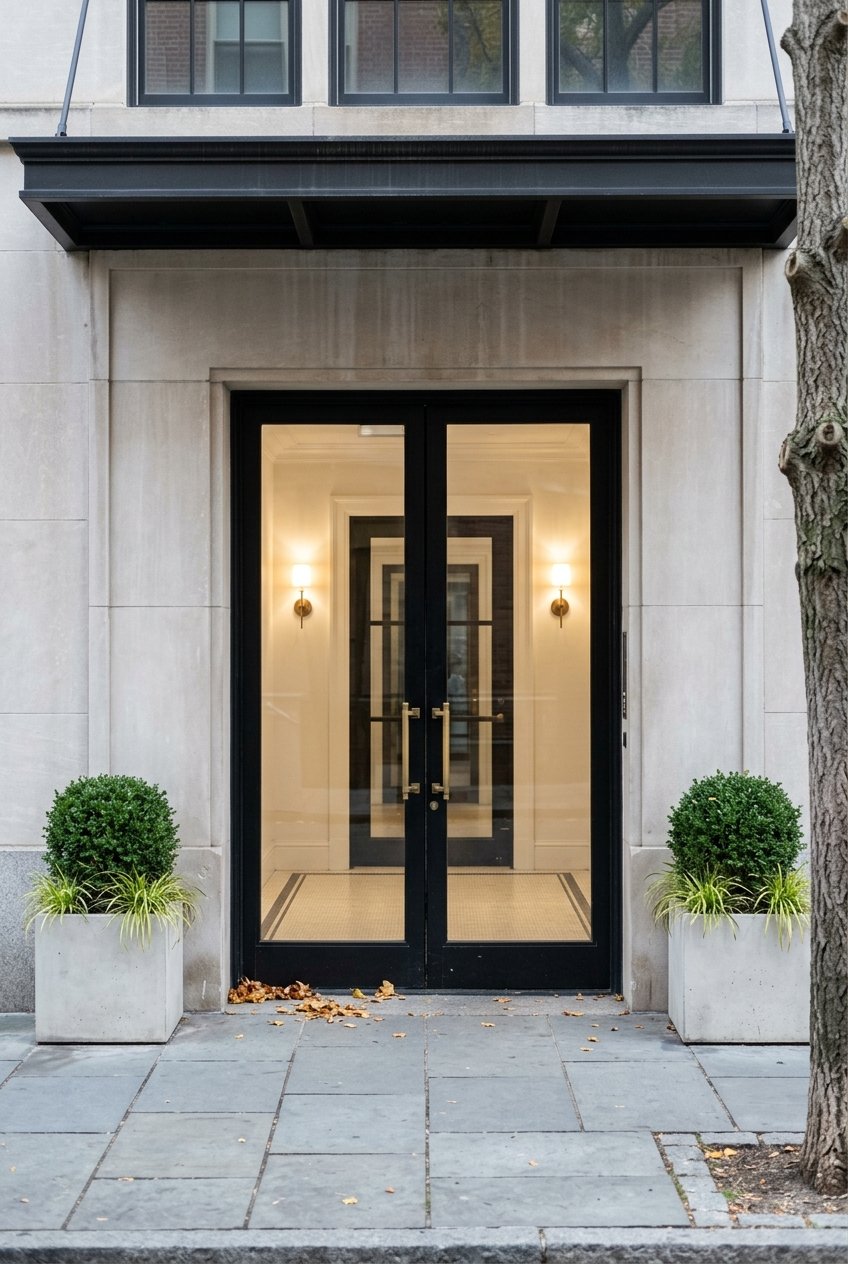
If you want a Manhattan condo that can work as a part-time home, a long-term rental, or both, FiDi deserves a serious look. The Financial District has evolved far beyond a weekday office hub, and today it offers a mix of residential conversions, strong transit access, and amenity-rich buildings that appeal to both owners and renters. If you are weighing a pied-à-terre or investment condo here, the key is to match your goals to the right building, the right rules, and the right cost structure. Let’s dive in.
Why FiDi draws condo buyers
FiDi is one of Manhattan’s most active condo and rental submarkets right now. StreetEasy named it a top NYC neighborhood to watch for 2026, reporting a median asking price of $1.197M and a median asking rent of $4,690 in the neighborhood, while noting its broad transit access and growing inventory of luxury condos and rentals. You can review that market snapshot through StreetEasy’s FiDi coverage and its current neighborhood data.
What makes FiDi especially interesting is how much its residential base has grown. According to the Downtown Alliance, the neighborhood’s population rose from about 14,000 to nearly 70,000 over 30 years, helped by roughly 22.5 million square feet of office space converted to residential use since 1995. That long-term shift matters because it supports a more established live-work-play environment rather than a purely commuter-driven market.
Why FiDi suits pied-à-terre buyers
For a pied-à-terre buyer, FiDi offers convenience that is hard to ignore. StreetEasy describes the area as busy during the day with office workers and tourists, then calmer at night as residents return to full-service buildings with rooftop patios and other amenities. If you want a Manhattan base with easy access to multiple subway lines and quick connections to the rest of the city, FiDi checks that box.
The building style also helps. Many FiDi condos are in converted or modern full-service buildings where features like package handling, fitness space, lounges, and roof decks are part of the value proposition. In a neighborhood where residents often compare buildings as lifestyle products, those details can shape both your personal experience and future leasing appeal.
Condo vs co-op matters first
Before you evaluate any unit, confirm whether you are looking at a condo or a co-op. As the New York City Bar explains, a condo is deeded real property, while a co-op gives you shares in a corporation plus a proprietary lease. That distinction affects ownership, taxes, approvals, and rental flexibility.
For many pied-à-terre and investment buyers, condos are more practical. The deeded structure often comes with a less formal approval process and more flexibility on resale and subletting than a co-op. That does not mean every condo allows the same use, but it is usually the more investor-friendly starting point.
Rental rules are building specific
This is where many buyers make costly assumptions. Even if a unit is in a condo, your rental rights depend on that building’s governing documents, not just the fact that you own real property.
A 2025 CooperatorNews Q&A notes that the rules usually appear in the condominium’s declaration and bylaws. A board may require a lease package, apply a right of first refusal, and restrict leases to a minimum term that is often about one year. In plain terms, you should verify the exact rental policy before closing instead of assuming you can rent the apartment whenever you want.
Questions to ask before you buy
- Is the property definitely a condo, not a co-op?
- What is the minimum lease term?
- Does the board require a lease package or review process?
- Is there a right of first refusal?
- Are there insurance requirements for landlords or tenants?
- Are there move-in, move-out, or application fees?
- Are there limits on how often you can lease the unit?
These questions are simple, but the answers can completely change whether a unit fits your plan.
Short-term rental plans need caution
If you are picturing Airbnb-style income, pause before underwriting the deal that way. New York City’s Office of Special Enforcement says Local Law 18 requires short-term-rental hosts to register, prevents booking platforms from processing unregistered bookings, and maintains a prohibited-buildings list for buildings where short-term rentals are banned by law or building documents.
OSE also states that rentals of 30 consecutive days or more are exempt. For most FiDi condo buyers, that means short-term rentals under 30 days are not a reliable default strategy. A safer plan is usually one of two paths: a true personal-use pied-à-terre, or a long-term lease strategy that aligns with both city rules and building rules.
Match the building to your strategy
The smartest FiDi buyers start with the intended use, then narrow the building search. If you want flexible personal use with occasional longer rentals, you need a building whose documents support that plan. If you want a more hands-off investment, you should focus on condos with straightforward leasing rules, strong amenity appeal, and practical building operations.
That strategy-first approach matters in FiDi because inventory can look similar on paper while functioning very differently in practice. Two condos with comparable pricing may have very different lease terms, review procedures, and day-to-day ownership burdens.
Common ownership goals
| Goal | What to prioritize |
|---|---|
| Pied-à-terre | Full-service building, convenient transit, easy lock-and-leave setup, clear personal-use compliance |
| Long-term investment | Condo bylaws, minimum lease term, recurring carrying costs, renter-friendly amenities |
| Mixed personal and rental use | Flexible condo rules, predictable board procedures, clear house rules, management plan |
Budget beyond the purchase price
The asking price is only part of the picture. Condo buyers should also account for real estate taxes, common charges, and New York City transfer-related costs.
According to NYC’s 2025 tax methodology, the state real estate transfer tax is 0.4% on all transfers. The same source says the city’s residential transfer tax is 1.0% up to $500,000 and 1.425% above that, while buyers pay a 1.0% mansion tax on residential purchases over $1 million. It also notes that a supplemental mansion tax applies to residential sales over $2 million and ranges from 0.25% to 2.9% depending on price.
For many FiDi purchases, that means closing costs can be meaningful, especially once you cross the $1 million threshold. In a neighborhood where the median asking price is already above that line, it is smart to underwrite your full acquisition cost from the start.
Do not assume homeowner tax breaks
A pied-à-terre or investment condo may not qualify for the same tax benefits as a primary residence. New York State says STAR credit eligibility requires the property to be the owner’s primary residence on July 1. NYC also ties several local property-tax exemptions to owner occupancy or other specific criteria.
If the apartment is not your primary residence, you should not assume those benefits will apply. That is another reason to review carrying costs carefully before you buy.
FiDi renters expect strong amenities
Rental demand in FiDi is supported by office activity, transit access, tourism, and the neighborhood’s continued residential growth. StreetEasy notes that the area offers access to just about everything in the city, while Downtown Alliance data point to continuing residential conversion activity and product refresh. You can see that trend in the Downtown Alliance year-in-review release.
That demand profile affects what renters expect. In FiDi, features like staffed lobbies, package handling, fitness rooms, lounges, and roof decks often matter because renters compare buildings against newer or recently updated alternatives. If you are buying for investment, amenity quality is not just a lifestyle bonus. It can influence leasing velocity and tenant appeal.
Plan for management from day one
A condo can feel passive at purchase and active in operation. If your plan includes leasing the unit, your ownership strategy should cover lease screening, move-in and move-out coordination, periodic inspections, and advance review of building house rules.
This matters even more for remote, part-time, and international owners. A clear management plan helps protect the asset, reduce avoidable friction with the building, and support a smoother tenant experience. For many investors, the operational side is where returns are either preserved or eroded.
A practical FiDi buying checklist
Before you make an offer, confirm these basics:
- Your intended use: pied-à-terre, long-term rental, or mixed use
- Building type: condo versus co-op
- Condo declaration and bylaws
- Minimum lease term and any board review requirements
- Short-term rental compliance under Local Law 18
- Common charges and real estate tax burden
- Estimated closing taxes, including mansion tax where applicable
- Building amenity package and renter appeal
- A realistic post-closing leasing or management plan
If you approach FiDi this way, you are much more likely to buy a condo that works in real life, not just on a listing sheet.
FiDi can be a compelling place to buy a pied-à-terre or investment condo, but success depends on discipline. The neighborhood has strong fundamentals, growing residential depth, and a broad mix of full-service inventory, yet the best opportunities are the ones where your intended use, building rules, and cost structure all line up. If you want experienced guidance on sourcing, leasing, or long-term stewardship of a Manhattan condo, Broadway Realty can help you evaluate the details with a practical, investment-minded lens.
FAQs
What makes a Financial District condo different from a co-op for investors?
- A condo is deeded real property, while a co-op involves shares in a corporation and a proprietary lease, and condos are often more practical for buyers who want more flexibility on resale and subletting.
What rental rules should you check before buying a FiDi condo?
- You should confirm the minimum lease term, board review or lease package requirements, any right of first refusal, insurance requirements, and whether the building limits how often the unit can be rented.
Can you use a Financial District condo as a short-term rental in New York City?
- Short-term rental use is heavily restricted, and Local Law 18 requires registration while many buildings prohibit this use, so rentals of 30 days or more are generally the safer assumption.
What taxes should you budget for when buying a condo in FiDi?
- In addition to common charges and annual real estate taxes, buyers should budget for transfer-related taxes and, for purchases above certain thresholds, mansion tax and possible supplemental mansion tax.
Are primary-residence tax benefits available for a pied-à-terre in FiDi?
- Not necessarily, because programs like the STAR credit require the home to be your primary residence, so part-time and investment buyers should not assume those benefits will apply.