If you are deciding between a brownstone and a co-op on the Upper West Side, you are really choosing between two very different ownership experiences. One may offer more direct control over the property, while the other may bring a more structured, apartment-style framework. Understanding that difference can save you time, stress, and expensive surprises. Let’s dive in.
Start With the Ownership Structure
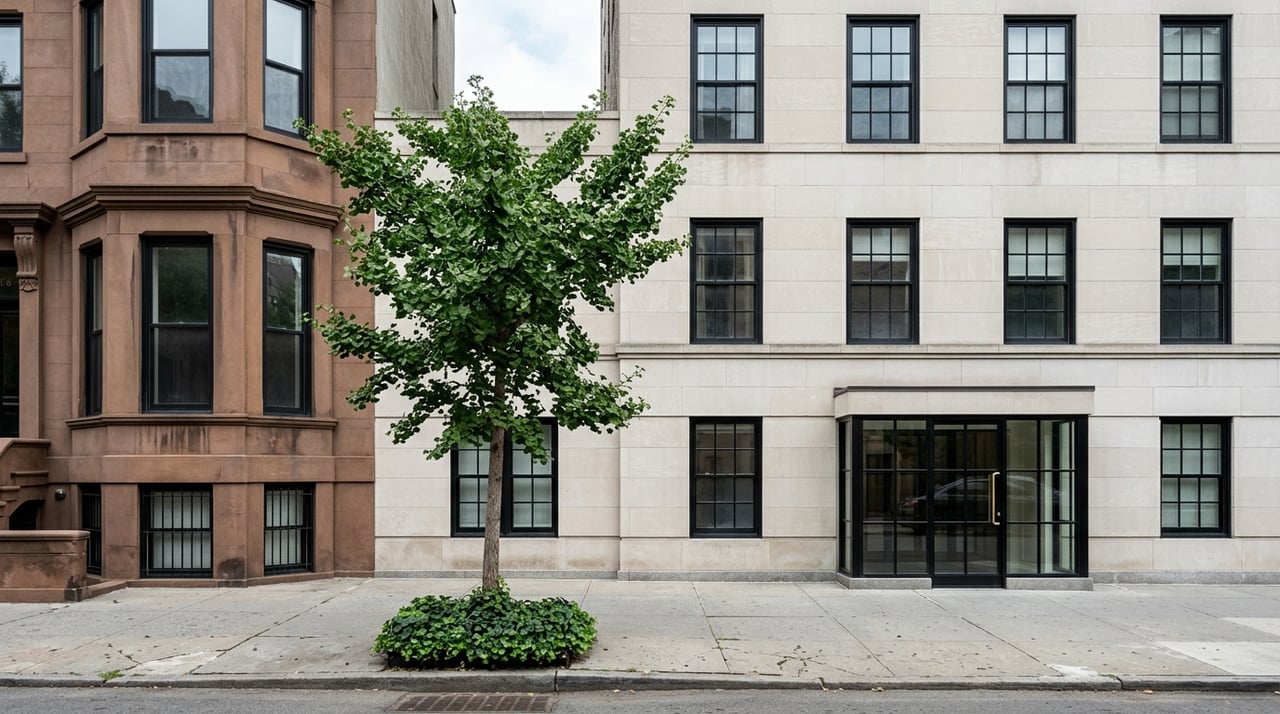
On the Upper West Side, the word brownstone often describes a building’s look, not its legal structure. According to the Britannica definition of brownstone, the term refers to a house covered with brownstone, and Urban Archive’s overview of Upper West Side housing types notes that local rowhouses are sometimes called brownstones even when they have only a thin brownstone veneer.
That matters because a brownstone is not automatically a townhouse in fee simple, and a townhouse is not automatically the same as a co-op or condo. New York State property guidance explains that a single-family townhouse may be held in different ownership forms, so you should always confirm the actual structure from the deed, offering plan, or tax records before moving forward.
What a Co-op Means in NYC
A co-op is a very different purchase. Under New York State Attorney General guidance on cooperatives, you are buying shares in a corporation that are tied to a specific apartment, along with a long-term proprietary lease.
Your monthly maintenance is based on your share allocation, and the building is governed by a board elected by shareholders. That board operates under the by-laws, proprietary lease, certificate of incorporation, and house rules, which makes co-op ownership more collective by design.
Upper West Side Lifestyle Differences
Brownstone Living Feels More House-Like
Upper West Side rowhouses were often built for single families and are typically three to five stories tall. Urban Archive notes that these homes were usually built in groups and share walls, so they are not detached houses, but they often offer a more private day-to-day experience than apartment living.
In practical terms, you may avoid shared corridors, elevators, and other common building spaces that come with many apartment buildings. If you want a more self-directed style of ownership, that can be a major draw.
Co-op Living Is More Structured
A co-op usually feels more managed because the building functions as a shared community with building-level rules and decision-making. The Attorney General’s co-op board guide explains that boards are made up of fellow shareholders, so your neighbors may also play a role in approvals, governance, and building policy.
For some buyers, that structure feels organized and predictable. For others, it may feel restrictive, especially if autonomy is a top priority.
Maintenance and Repairs Work Differently
Co-ops Share Building Burdens
In a co-op, major building systems are a shared concern. The Attorney General advises buyers to review the offering plan, financial reports, and board meeting minutes because issues like facade repairs, roof work, plumbing, electrical upgrades, boiler replacement, and elevator work often appear there first.
That shared structure can help spread responsibility across the building, but it also means your costs and timing are tied to collective decisions. Before you buy, it is smart to look closely at financial statements, recent minutes, and any planned capital projects.
Brownstones Put More on You
With a townhouse or brownstone-style home, you may have more freedom, but you also take on more direct repair responsibility. There is usually no co-op board standing between you and a project, yet there is also no larger ownership group sharing the burden.
That becomes especially important on the Upper West Side, where historic district rules can affect exterior work. The NYC Landmarks Preservation Commission says owners must get advance approval for most exterior alterations on landmarked properties, while NYC HPD homeowner resources identify items like windows, masonry restoration, roofs, stoops, fences, handrails, and HVAC equipment as work that can trigger permits in historic districts.
Historic District Rules Matter on the Upper West Side
This neighborhood includes multiple historic district overlays. Manhattan Community Board 7’s historic district maps show several Upper West Side historic districts and extensions, including areas tied to Central Park West, Riverside Drive, West End Avenue, and West 71st Street.
If you are considering a brownstone or townhouse, you should assume that exterior changes may be more regulated than they first appear. Facade updates, windows, stoops, roof changes, and some mechanical improvements may all require additional review.
That does not mean a townhouse is the wrong choice. It simply means you should treat the building as both a home and a regulated asset, especially if preserving or updating the exterior is part of your plan.
Flexibility and Future Resale
Co-ops Add Another Layer
Co-ops can involve more review when you buy, sell, or refinance. NYC Finance explains that the Real Property Transfer Tax applies to transfers of cooperative housing stock shares, and the Attorney General recommends reviewing the full offering plan and consulting an attorney before signing.
In real-world terms, that means a co-op transaction may involve another layer of documentation and governance. For some buyers, that is a manageable trade-off for location, scale, or pricing. For others, simplicity matters more.
Townhouses Are Often More Direct
A townhouse held in fee simple is generally a more direct form of ownership because you are dealing with real property itself. New York State tax guidance and NYC DEP guidance on fee-simple homes both describe fee-simple ownership as exclusive ownership rights in the property.
That can offer more flexibility over time, but it is still limited by landmarks rules and building code requirements. In other words, direct ownership does not mean unlimited freedom.
Which Option Fits You Best?
The right choice usually comes down to how you want to live and what kind of responsibility you are comfortable taking on.
A brownstone or townhouse may fit you better if you want:
- More direct control over the property
- A more private, house-like living experience
- Fewer shared common areas
- Greater day-to-day autonomy
A co-op may fit you better if you want:
- A more apartment-oriented lifestyle
- Shared oversight of major building systems
- A building with established rules and governance
- A structured ownership model that feels familiar in Manhattan
Questions to Ask Before You Buy
No matter which path you prefer, the smartest move is to confirm the details early. Terms like brownstone, townhouse, and co-op are not interchangeable on the Upper West Side.
Use this checklist as part of your buyer diligence:
- Confirm the exact ownership structure from the deed, offering plan, or tax records
- If it is a co-op, request the by-laws, proprietary lease, house rules, recent board minutes, financial statements, and any pending assessments
- If it is a townhouse, ask whether it is in a historic district or individually landmarked
- Verify whether prior exterior work received LPC approval where required
- Ask your attorney and lender to compare transfer mechanics and closing taxes for the specific property type
- Compare the likely repair burden of a townhouse with the governance framework of a co-op
The Bottom Line
On the Upper West Side, a brownstone can deliver privacy, control, and architectural character, but it often comes with more direct responsibility and possible landmark oversight. A co-op can offer a more structured ownership experience with shared building governance, but it may also involve more rules, more review, and less day-to-day autonomy.
The best choice depends on how you weigh control, convenience, privacy, and long-term flexibility. If you want experienced guidance on evaluating Upper West Side co-ops, townhouses, and brownstone properties, Broadway Realty offers discreet, Manhattan-focused support tailored to your goals.
FAQs
What does brownstone mean on the Upper West Side?
- On the Upper West Side, brownstone usually refers to a building style or facade material, not a legal ownership structure.
How is a co-op different from a townhouse in Manhattan?
- A co-op means you buy shares in a corporation tied to an apartment, while a townhouse is often a direct real-property purchase, though the exact ownership form should always be confirmed.
Do Upper West Side brownstones fall in historic districts?
- Many do, and Manhattan Community Board 7 provides maps showing multiple historic district overlays across the Upper West Side.
Do you need approval to renovate an Upper West Side townhouse exterior?
- If the property is landmarked or located in a historic district, many exterior changes require advance approval from the NYC Landmarks Preservation Commission.
What documents should you review before buying a co-op on the Upper West Side?
- You should review the offering plan, by-laws, proprietary lease, house rules, recent board minutes, financial statements, and any pending assessments.
Is a brownstone always more flexible than a co-op on the Upper West Side?
- Often yes in terms of direct ownership, but that flexibility can still be limited by landmark regulations, permits, and building code requirements.