Wondering whether a Midtown mixed-use building is a smart buy? You are not alone. In Midtown, it is common to find homes in buildings that also include retail, office, or other non-residential space, and that setup can create both real advantages and important trade-offs. If you are weighing convenience, financing, resale, and day-to-day livability, this guide will help you know what to look for and what to ask before you move forward. Let’s dive in.
What a mixed-use building means in Midtown
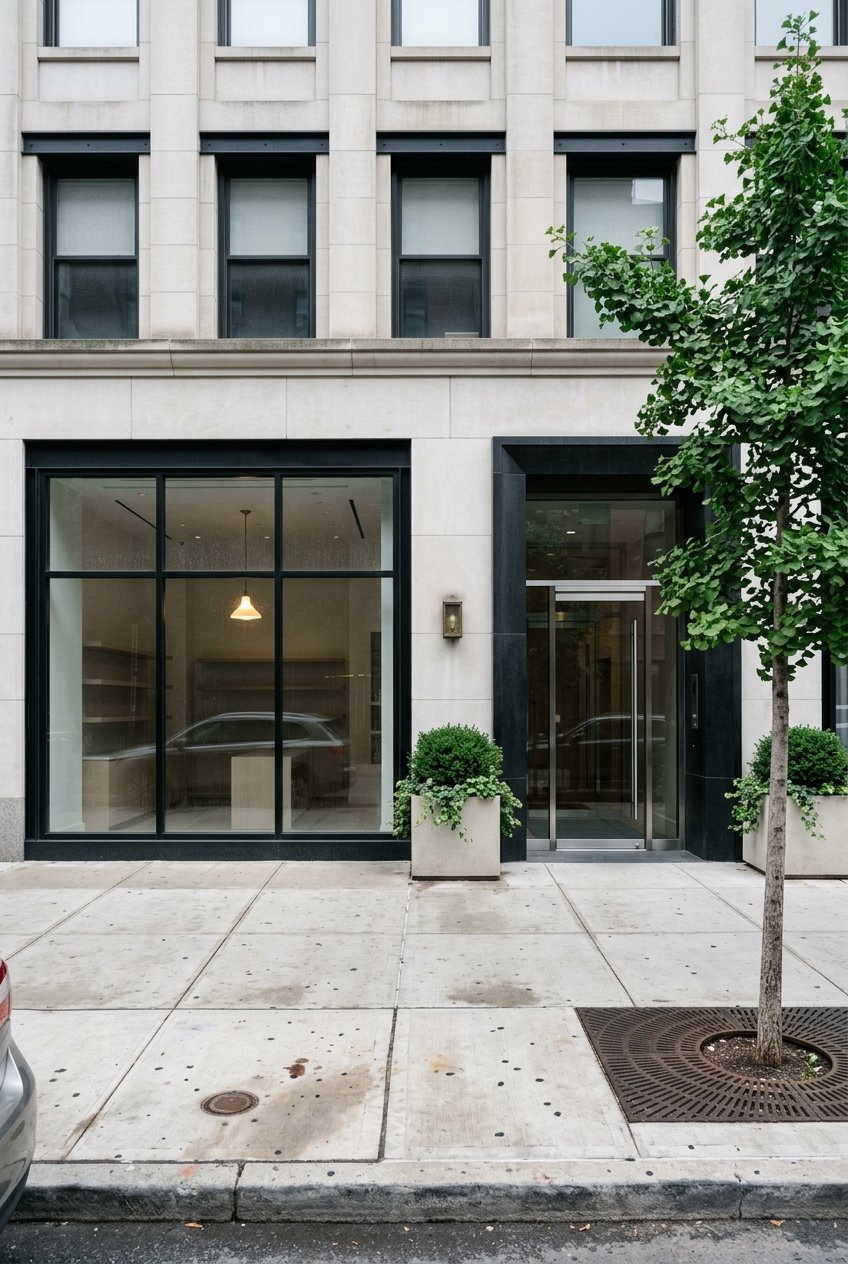
In New York City, a mixed-use building broadly means a building with two or more uses. For buyers, the practical issue is simple: your home is part of a larger property that may also include commercial space, and that can affect how the building runs, how lenders review it, and how future buyers see it.
That matters in Midtown, where mixed-use is part of the neighborhood fabric. The city’s Midtown South Mixed-Use Plan, adopted on August 14, 2025, reflects an active push to support housing alongside businesses across 42 blocks and encourage more around-the-clock neighborhood activity in a centrally located, transit-rich part of Manhattan.
Why buyers consider Midtown mixed-use living
The appeal is easy to understand. You may get immediate access to shops, offices, services, and transit in one of Manhattan’s most connected locations. For many buyers, that kind of convenience is part of what makes Midtown attractive in the first place.
There is also a street-level energy that some buyers value. In an area where the city is actively supporting mixed-use, 24-hour neighborhood patterns, living above or near active ground-floor uses can feel practical and efficient if your lifestyle fits that environment.
How commercial space affects daily life
The biggest day-to-day question is how well the residential and commercial parts of the building are separated. New York City building guidance highlights issues such as fire protection, egress, sound transmission, ventilation and exhaust, refuse handling, sprinkler systems, and parking or loading.
In plain English, that can translate into things like delivery traffic, trash schedules, service entrances, operating hours, and noise. A well-run building may handle these details cleanly, but you should expect more moving parts than you would in a purely residential condo.
That does not automatically mean a problem. It means management quality matters more. If the building has clear rules, proper separation, and strong upkeep, mixed-use living can feel seamless. If those systems are weak, everyday friction can become more noticeable.
Financing can be the deciding factor
For many buyers, the most important issue is not lifestyle. It is financing. Mixed-use buildings can face added lender scrutiny because the commercial portion may affect whether the project meets standard loan guidelines.
Freddie Mac notes that condo project eligibility can involve the project’s financial viability, residential character, commercial space, hotel operation, business income, and ownership structure. Fannie Mae states that no more than 35% of a condo or co-op project, or the building in which the project is located, may be commercial space or allocated to mixed-use, and the commercial use must be compatible with the project’s residential nature.
This is why two buildings that look similar on the surface can be very different from a financing standpoint. One may fit standard project-review rules, while another may require a waiver or may not qualify for certain loan programs at all.
Resale value can be shaped by the mixed-use setup
The commercial component can also affect resale. Fannie Mae’s appraisal requirements show that appraisers must identify mixed-use characteristics, confirm the use is legal under local zoning, and note any negative effect on marketability or market resistance tied to the commercial use.
That means resale is not only about your apartment’s layout and finishes. Buyers, appraisers, and lenders may also look closely at the building’s commercial footprint, how integrated it is with residential space, and whether that setup limits the buyer pool.
In practical terms, a mixed-use building with sensible design and clean separation may resell well. A building with heavier commercial integration, unusual ownership issues, or nontraditional use patterns may face more questions during a future sale.
Hotel-like features can raise concerns
Some mixed-use projects become harder to finance when they start to resemble hotel or transient-use properties. Freddie Mac’s condo guidance notes that hotel-like characteristics, shared hotel amenities, or certain ownership issues can make a project ineligible.
This matters most when the lower floors have nontraditional uses or when the commercial portion feels deeply intertwined with the residential portion. If you are looking at a Midtown building with a less conventional setup, this is worth checking early rather than late.
Zoning should be part of your due diligence
You do not want to assume the current use is automatically straightforward. New York City advises buyers to verify zoning through NYCCityMap and the Department of City Planning’s Zoning Information Desk, because zoning rules govern permitted use, size, density, and related factors.
For a Midtown mixed-use purchase, zoning is more than a technical box to check. It helps confirm that the commercial use is permitted and that the building’s use aligns with how it is represented in the offering and project documents.
Questions to ask before you buy
A Midtown mixed-use purchase usually calls for more detailed questions than a standard residential-only building. You want to understand not just the apartment, but the structure around it.
Here are smart questions to raise with your lender, attorney, and managing agent:
- Does the project meet standard lender project-review rules, or will a waiver be needed?
- How much of the building is commercial or allocated to mixed-use?
- What are the commercial tenant hours?
- How are deliveries, loading, and service access handled?
- What are the trash and refuse procedures?
- Who owns and maintains the commercial spaces and shared building systems?
- Are any amenities, revenue, or expenses shared between the residential and commercial portions?
- Are there special assessments, reserve funding concerns, capital projects, or pending lawsuits?
- Are there any structural debt issues or evacuation-related concerns noted in building records or documents?
- Are the building documents and actual use consistent with local zoning?
These questions can save you time, money, and stress. They can also help you spot the difference between a manageable mixed-use setup and one that may create avoidable complications.
When a Midtown mixed-use building makes sense
A mixed-use building may be a strong fit if you value location, convenience, and an urban environment with active street life. It can also make sense if you are comfortable with a building that has more operational complexity and you have confirmed that financing and project eligibility are workable.
For some buyers, that trade-off is well worth it. A Midtown address with immediate access to transit, business hubs, and neighborhood services may align perfectly with how you live, work, or invest.
When you may want to be cautious
You may want to pause if the commercial component feels poorly separated, the building’s rules seem vague, or lender answers are inconsistent. The same is true if there are unresolved questions about zoning, project eligibility, reserve health, special assessments, or how shared costs are allocated.
Mixed-use is not inherently risky. Unclear mixed-use is. The more complex the setup, the more important it becomes to get clean answers early.
The bottom line for Midtown buyers
Buying in a Midtown mixed-use building can be a smart move if you go in with clear eyes. The upside is convenience, location, and a building type that fits the rhythm of Manhattan. The trade-off is that the commercial portion can influence operations, financing, and future resale in ways that do not always show up during a first showing.
If you are considering this type of purchase, the goal is not to avoid mixed-use automatically. It is to understand the building’s structure, confirm the project works for your lender, verify zoning, and make sure the day-to-day reality matches your expectations.
If you want experienced, discreet guidance on evaluating Midtown opportunities, Broadway Realty can help you assess the building, the location, and the long-term fit with confidence.
FAQs
What is a mixed-use building in Midtown?
- In Midtown, a mixed-use building generally means a building with two or more uses, such as residential space combined with retail or office space.
How can commercial space affect condo financing in Midtown?
- Commercial space can affect whether a condo project meets lender rules, including limits on commercial allocation and whether the project still qualifies as primarily residential.
Why does zoning matter when buying in a Midtown mixed-use building?
- Zoning helps confirm that the building’s uses are legally permitted and accurately reflected in the project and building documents.
What daily-life issues should you check in a Midtown mixed-use building?
- You should ask about noise, deliveries, trash handling, loading access, ventilation, operating hours, and how the residential and commercial areas are separated.
Can a Midtown mixed-use building affect resale later?
- Yes. Appraisers and lenders may consider the building’s mixed-use characteristics, legal zoning status, and any negative impact the commercial component has on marketability.
What should you ask the managing agent before buying in Midtown?
- Ask about ownership and maintenance of commercial spaces, shared systems or expenses, commercial tenant rules, reserve funding, special assessments, capital projects, and pending lawsuits.