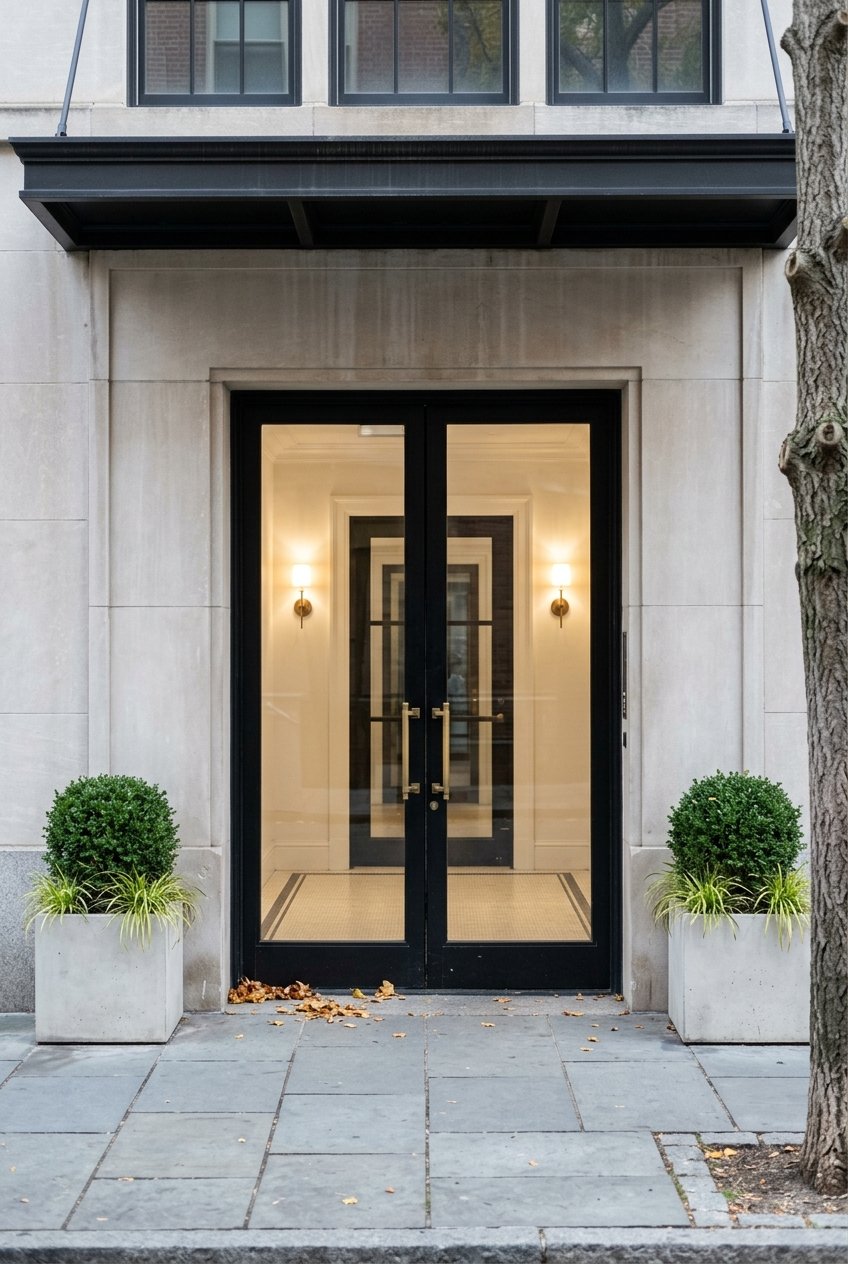
If you are eyeing an estate-condition co-op on the Upper East Side, you are probably seeing both opportunity and risk at the same time. A lower entry price, original prewar detail, and the chance to create a home around your needs can be compelling, but the path from contract to completed renovation is rarely simple. If you understand what estate condition usually means, how co-op approvals work, and where Upper East Side buildings can add complexity, you can make smarter decisions with fewer surprises. Let’s dive in.
What Estate Condition Usually Means
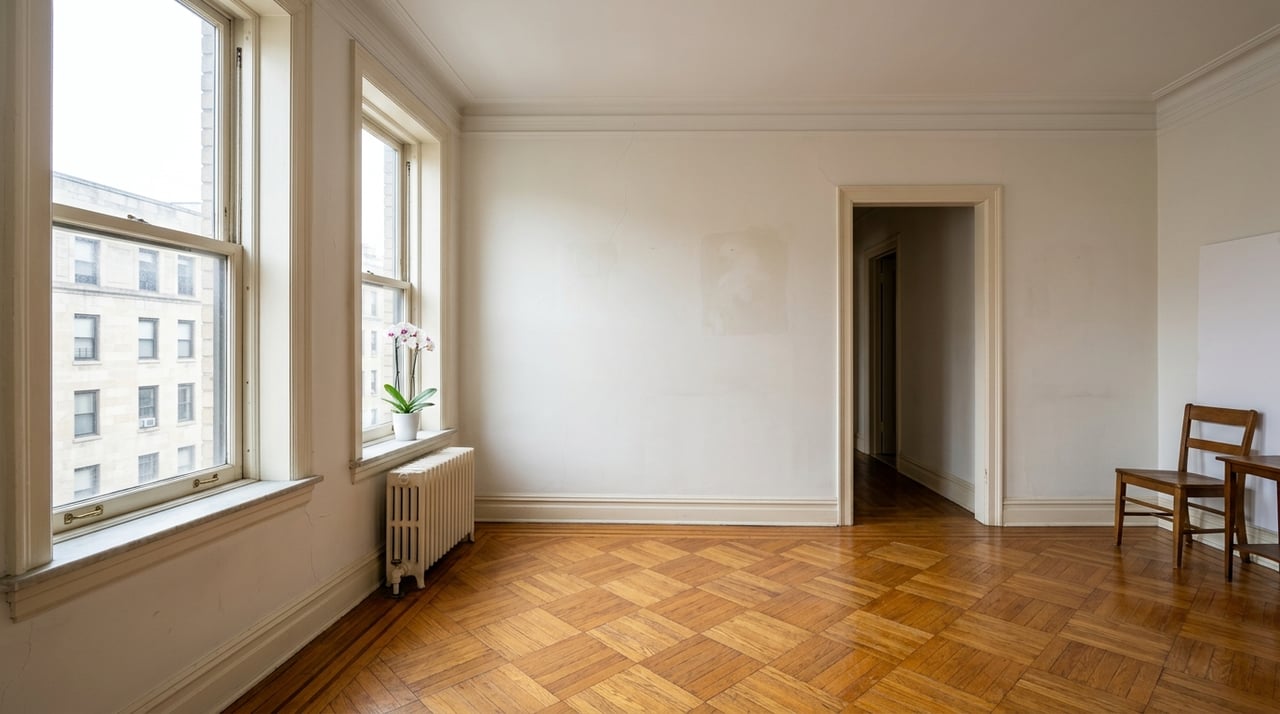
In New York City listings, estate condition generally means an apartment has not been updated in years or remains in largely original condition. It can also refer to an estate sale, where heirs or an executor may be seeking a relatively quick transaction, according to StreetEasy’s explanation of estate-condition listings.
For you as a buyer, that usually points to dated finishes, older systems, and more than a light cosmetic project. In many cases, you should plan around the possibility of a substantial renovation rather than assuming a simple paint-and-polish update.
That said, estate-condition co-ops can still be attractive. They may preserve original architectural detail and can be priced below comparable move-in-ready apartments, but the tradeoff is that you are often taking on renovation costs, approval timelines, and carrying costs during the work.
Why the Upper East Side Changes the Equation
The Upper East Side has a housing stock that often rewards thoughtful renovation. Many buildings offer classic layouts, prewar character, and long-term value appeal, but the neighborhood also includes several historic districts that can affect the approval process.
According to the New York City Landmarks Preservation Commission’s Manhattan historic district designations, the area includes the Upper East Side Historic District, its extension, Carnegie Hill, the Metropolitan Museum Historic District, and the Park Avenue Historic District. That matters because landmark status can add another layer of review before certain work begins.
Per the LPC’s guidance on landmark designation, most exterior changes in designated buildings or historic districts require LPC review. Interior work generally does not require LPC review unless it affects the exterior or otherwise requires that level of city review. In practical terms, if you are considering a co-op with older windows, façade-related issues, or other building-specific exterior elements, your timeline may be more involved.
What to Review Before You Make an Offer
With an estate-condition co-op, due diligence matters more than speed. Before you commit, you want a clear picture of both the apartment and the building.
The New York State Attorney General’s co-op and condo buyer guidance recommends reading the entire offering plan and consulting an attorney before signing a purchase agreement. The same guidance advises buyers to evaluate the physical condition of important building components, including the façade, roof, floors, elevators, HVAC, windows, electrical wiring, and plumbing.
You should also review building records carefully. The Attorney General recommends looking at board minutes, the most recent financial report, and any posted violations or building-department information because these materials can reveal deferred maintenance, planned capital work, or larger building-wide repair needs.
The New York City Department of Buildings also advises buyers to check the Buildings Information System and DOB NOW Public Portal for permits and violations. This is especially important in estate-condition apartments, where past work may have been done years ago and not always with clear records.
Watch for Unpermitted Work
One of the biggest hidden risks in an older co-op is prior work that was done without proper filings or approvals. What looks like a renovated kitchen, moved wall, or altered bath may not be legal as built.
DOB states that unpermitted work is illegal and may require legalization or removal, sometimes with fines. If the building has a Temporary Certificate of Occupancy, DOB recommends consulting a New York State licensed professional engineer or registered architect and identifying any outstanding issues before closing.
For you, the practical takeaway is simple: do not assume visible improvements equal approved improvements. A thorough review before contract can help you avoid inheriting cost, delay, and compliance problems later.
How Co-op Renovation Approval Works
Buying an estate-condition co-op means buying into a private building structure as well as a physical apartment. A co-op is not just a real estate purchase. According to the New York City Bar’s overview of co-ops, condos, and lofts, co-op ownership means you own shares in the corporation and hold a proprietary lease for the apartment.
That structure affects renovations directly. Your work is not reviewed only under city rules. It is also subject to the building’s bylaws, proprietary lease, and alteration requirements.
The City Bar’s alteration-agreement commentary describes a common process: you retain an architect or engineer, submit plans and an alteration package, the corporation’s professionals review them, and the board gives consent if the plans satisfy building requirements. If revisions are required, you may need to resubmit before approval is finalized.
Permits, Filings, and Upper East Side Timelines
Many buyers underestimate how much coordination happens before demolition even begins. In New York City, kitchen and bathroom renovations that involve layout, plumbing, electrical, or similar changes often require permits.
DOB explains that most kitchen and bathroom renovations involving these changes require permits, and many use an ALT2 filing submitted by a licensed engineer or architect. In occupied buildings, each construction, alteration, or partial-demolition permit also requires a Tenant Protection Plan that addresses egress, fire safety, dust control, essential services, noise, and housing-code compliance.
If your building is landmarked or located in a historic district, exterior work may also require LPC approval. That means your approval sequence could include board review, professional plan revisions, DOB filings, possible LPC review, insurance documentation, and final inspections or signoff.
Because of those steps, it is wise to think in terms of months, not days. Even a well-organized project can take time to approve, schedule, and close out properly.
Budget Beyond the Contractor Bid
A common mistake with estate-condition purchases is focusing too narrowly on the purchase price and basic construction estimate. In reality, the full renovation cost often extends well beyond the contractor’s line-item proposal.
The City Bar’s alteration-agreement commentary notes that buyers may need to account for architecture or engineering fees, board-processing fees, professional review fees, alteration deposits, insurance requirements, and post-work documentation. Depending on the scope, you may also need to budget for temporary housing if the apartment is not livable during renovation.
That broader budget matters on the Upper East Side, where carrying costs during delays can add up quickly. If you are evaluating whether an estate-condition unit is truly a value, the right comparison is not just purchase price versus a renovated unit. It is total acquisition cost plus approval time plus renovation cost plus the cost of waiting.
Questions to Ask Before You Commit
A disciplined purchase starts with the right questions. Before moving forward on an estate-condition co-op, consider asking:
- Does the apartment appear to need cosmetic updating or a more substantial renovation?
- Are there any open permits, violations, or signs of prior unpermitted work?
- What do the board minutes suggest about upcoming building projects or recurring issues?
- What does the alteration agreement require in terms of fees, deposits, insurance, and work hours?
- Will any planned work trigger DOB filings or possible LPC review?
- Is the apartment likely to be habitable during the renovation period?
- What is your realistic all-in budget, including soft costs and temporary living arrangements?
These questions can help you compare opportunities more clearly. They also make it easier to separate a manageable project from one that may become more complex than expected.
When Estate Condition Can Be a Smart Move
Estate-condition co-ops are not for every buyer. If you need a predictable move-in timeline or have limited appetite for renovation decisions, a move-in-ready apartment may be the better fit.
But if you want the chance to customize a home in a highly established Manhattan neighborhood, an estate-condition co-op can be worth serious consideration. As StreetEasy notes, these properties can offer value and preserved character, provided you go in with a clear understanding of the work ahead.
The key is disciplined preparation. On the Upper East Side, where building rules, age, and historic context often intersect, careful due diligence and experienced guidance can make the difference between a smart acquisition and an expensive surprise.
If you are weighing an estate-condition co-op on the Upper East Side, Broadway Realty can help you evaluate the opportunity with the discretion, market knowledge, and practical guidance that Manhattan buyers rely on.
FAQs
What does estate condition mean in an Upper East Side co-op?
- In most cases, it means the apartment is largely original or has not been updated in years, so you should expect dated finishes, older systems, and the possibility of significant renovation.
Do Upper East Side estate-condition co-ops always need gut renovations?
- No, not always, but they often require substantial updating, so you should evaluate each apartment carefully instead of assuming a light cosmetic project.
Can you renovate an Upper East Side co-op right after closing?
- Usually not, because you typically need co-op board approval first, and some projects also require DOB filings and, for certain exterior work, possible LPC approval.
Why do historic districts matter for Upper East Side co-op renovations?
- Historic district status can add another review layer for exterior changes, which may affect project scope, approval timing, and renovation planning.
What records should you review before buying an estate-condition co-op in New York City?
- You should review the offering plan, board minutes, financial reports, permits, violations, and other building-department records to better understand the apartment’s and building’s condition.
What are the biggest risks with estate-condition co-ops on the Upper East Side?
- The main risks are hidden physical issues, unpermitted prior work, underestimated renovation costs, and longer-than-expected approval timelines.