Is your Tribeca condo or loft worth what you think it is? In a neighborhood where a single exposure, ceiling height, or terrace can swing value, pricing well is the difference between a swift, clean sale and weeks of quiet showings. You want a number that attracts qualified buyers without leaving money on the table. In this guide, you’ll learn a disciplined way to set a price that reflects your exact building, unit, and the current market. Let’s dive in.
Tribeca pricing snapshot, early 2026
Recent neighborhood reporting shows a median sale price around $3.75M and a median price per square foot near $2,000 to $2,200. You can see these headline metrics on the Tribeca market pages from Redfin’s neighborhood snapshot and PropertyShark’s trend charts. Typical market velocity is about 50 to 60 days on market, and recent sale-to-list ratios have hovered near 99 percent, which means many homes trade close to asking.
Keep in mind that Tribeca’s monthly sales counts are small. With only dozens of transactions, medians and $/sf can shift month to month. Focus on closed sales and review a rolling 3 to 12 month window for stability, as PropertyShark’s trend pages suggest. Also, condos and co-ops do not trade the same; condos typically show higher median prices than co-ops, so be precise about your ownership type when you select comps.
A step-by-step pricing framework
The sales-comparison approach is the backbone of credible pricing. Appraisers and top agents use a consistent workflow to build a defensible value range, then translate that into a listing strategy. The Appraisal Institute’s guidance underpins the steps below.
1) Define the subject precisely
Document your unit type, building, floor, legal form (condo vs co-op), interior square footage, legal bedrooms, outdoor space, and any deeded storage or parking. In Tribeca, your true “micro-market” is often your building or block. A river-facing exposure on West Street is not interchangeable with a courtyard view one block east. Neighborhood history shows why: Tribeca is a mix of warehouse conversions and luxury towers with distinct character and buyer pools, as outlined in the Tribeca overview.
2) Pull the right comparables
Start with closed sales in your building from the last 3 to 6 months. If none, look to your block, then to similar buildings in Tribeca with matching ownership form. If closed sales are scarce, you can consider high-quality active or pending listings, but treat those as secondary and adjust carefully. Prioritize arm’s-length transactions over atypical or distressed sales.
3) Choose the unit of comparison
Price per square foot is the Manhattan standard for condos and lofts. Begin there, then reconcile with total price if your home is unusually large or has outsize outdoor space. For lofts, volume and plan can alter how the space “lives,” so use both $/sf and total price to reflect the market’s view, a point reinforced by PropertyShark’s market analysis.
4) Adjust for key differences
Make line-item adjustments for measurable differences between your unit and each comp. Typical axes in Tribeca include date of sale (market trend), floor level, exposure and view, outdoor space, ceiling height, renovation level, building services, storage, and parking. Support each adjustment with paired sales or clear market behavior. Avoid flat percentage adders without local evidence, per Appraisal Institute methodology.
5) Reconcile to a value range
Weigh the most similar comps most heavily and produce a tight value range rather than a single number. This lets you explain a realistic exposure time and how list price choices may affect it. With recent sale-to-list ratios near 99 percent in Tribeca, a well-supported range gives you the confidence to price close to where buyers are actually transacting, as reflected in Redfin’s neighborhood data.
6) Translate value into list strategy
Create three list-price scenarios: aggressive (below the midpoint of your range to drive early activity), market (near the midpoint), and conservative (near the upper end with longer exposure). Tie these to expected days on market based on your comp set and recent neighborhood velocity.
What drives value in Tribeca
Tribeca’s inventory is diverse. Understanding which traits command premiums will help you select and adjust comps properly.
Architectural and loft features
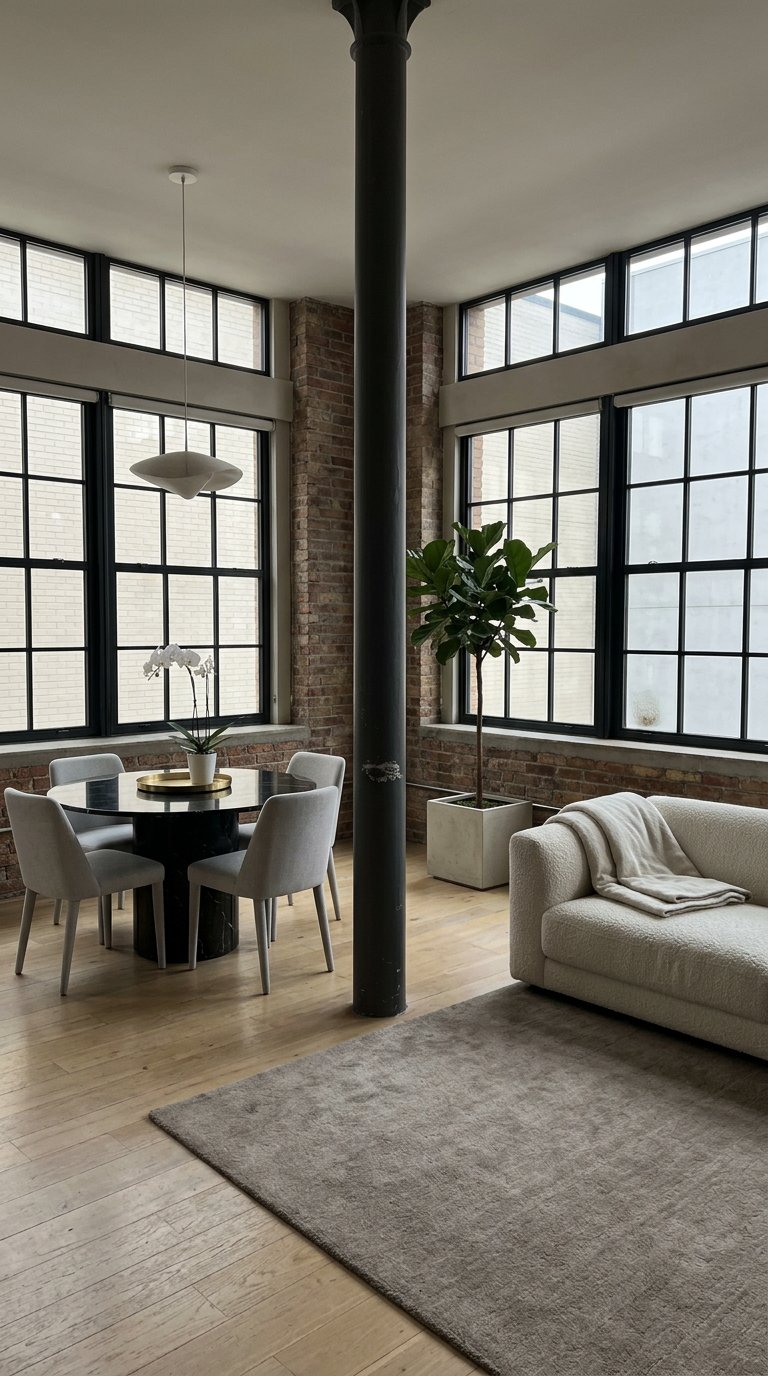
Tall ceilings, skylights, exposed brick, timber or cast-iron columns, and large factory windows are part of Tribeca’s identity. These features shape how the home feels and functions, and buyers often pay for that character. The neighborhood’s roots in warehouse conversions, outlined in the Tribeca overview, explain the strong demand for authentic loft attributes.
Functional plan and bedroom count
A loft with a clear, legal bedroom or the ability to create one typically reaches a broader buyer pool than an open, undivided plan. More functional bedrooms can translate to higher prices because they fit more lifestyles. When comparing, note whether rooms are legal and how flex walls or sliding partitions affect utility and light.
Floor, exposure, and view
Higher floors with open Hudson River or skyline exposures often sell for more than lower floors or courtyard views. Adjust only when you can point to matched pairs with similar size and finishes. Keep your comp set tight on exposure so you do not overstate a view premium.
Outdoor space
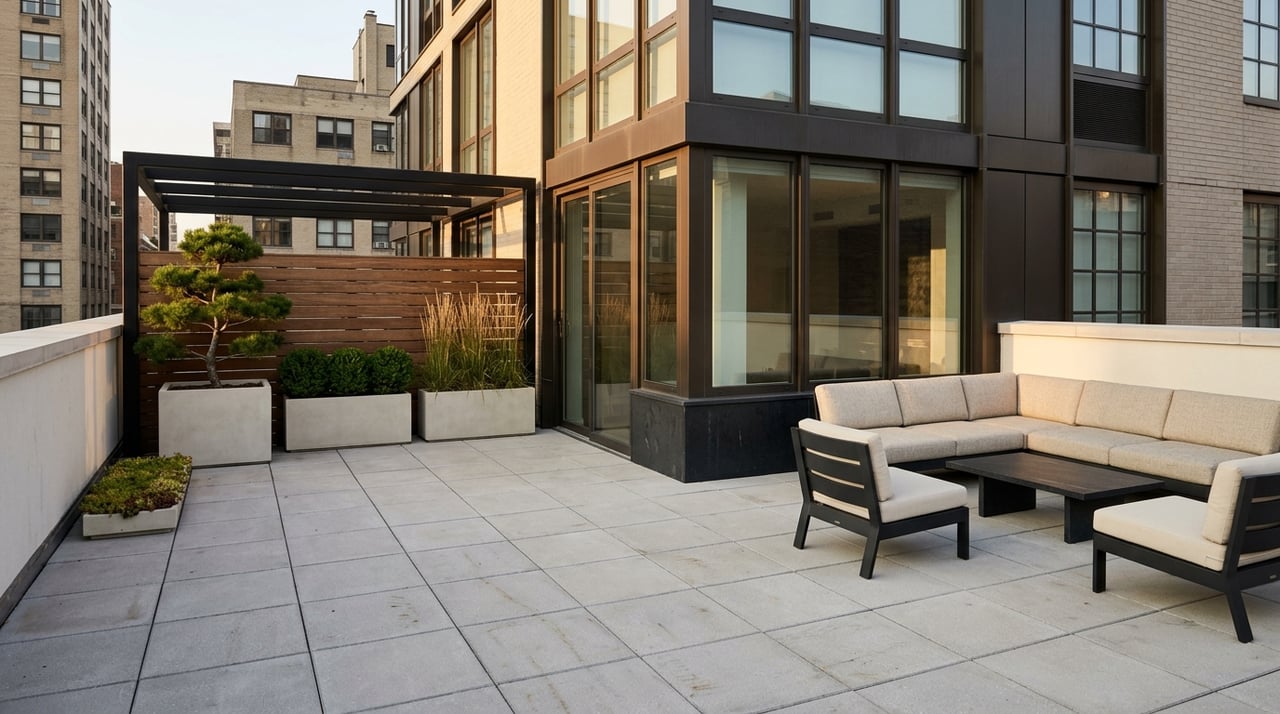
Private terraces, balconies, and deeded roof areas are highly prized. The premium depends on size, usability, privacy, and headroom. Use nearby sold examples with similar outdoor square footage to estimate contributory value. Local buyer behavior shows strong interest in outdoor access and in-unit conveniences such as laundry, as covered in CityRealty’s explainer on in-unit laundry demand.
Amenities and building services
Doorman and concierge services, on-site fitness and wellness, lounges, storage, and garage parking can move a unit into a higher price tier. Branded or resort-style residences operate differently than boutique conversions and can command distinct premiums, a dynamic highlighted in CityRealty’s note on branded residence value drivers. Match your comps by service level to avoid apples-to-oranges errors.
Ownership form and governance
Condos generally appeal to a wider pool of buyers, including investors and international purchasers, and often transact faster than co-ops. Co-ops may have stricter approval and sublet policies that influence timing and demand. Always match your comps to your ownership type when you estimate price and exposure time, a point reinforced by PropertyShark’s neighborhood reporting.
Condition and finishes
Updated kitchens and baths, sound windows, modern HVAC, and documented renovations add value. If you anticipate repairs, gather contractor quotes so you can price in the cost to cure. Buyers in this segment tend to discount for visible or likely deferred maintenance.
Listing strategy: price bands and timing
Translate your reconciled value range into price bands and set expectations on timing. With Tribeca’s recent median days on market around the mid-50s and sale-to-list ratios near 99 percent, a market-level price often produces early tours and credible offers. Pricing above the upper end of your range can work for a rare, design-forward loft or a river-facing property, but be ready for a longer exposure period and a smaller initial buyer pool.
A useful tool is a short pricing brief: show three price points, your comp grid highlights, and a note on expected days on market for each. This helps you commit to a clear plan and pivot quickly if feedback shows a gap between list and perceived value.
Pre-listing pricing checklist
- Verify interior square footage and legal room counts against building plans and offering plan.
- Pull 3 to 6 closed comps: same building first, then your block, then truly comparable Tribeca buildings. Track date, sale price, $/sf, floor, exposure, outdoor space, and finish level. Start with PropertyShark’s TriBeCa trends and Redfin’s neighborhood snapshot.
- If your home is a non-standard loft, assemble a second comp set of similar conversion lofts and reconcile both sets to one range, using the Tribeca neighborhood context as a guide to building types.
- Consider an appraisal or broker price opinion if the unit is unusual or trophy-level. Appraisers document adjustments under the sales-comparison approach described by the Appraisal Institute.
- Decide on aggressive, market, and conservative list-price options and write down the rationale for each.
- Prepare a concise feature list: ceiling height, original details, exposures, outdoor space, in-unit washer/dryer, storage, and building services. These traits shape buyer filters and search behavior.
Avoid these common mistakes
- Using broad Manhattan averages instead of micro-market comps in your building or on your block.
- Overvaluing unique features without local paired-sales evidence.
- Mixing condo and co-op comps.
- Ignoring building identity and service level. A boutique loft conversion and a full-service tower on the same street are not interchangeable without careful adjustments.
Understand transfer taxes
Closing costs affect your net proceeds. New York City levies a Real Property Transfer Tax on most sales, and New York State has additional rules for higher-value transactions. Review the official schedule on the NYC Department of Finance RPTT page early so your pricing accounts for likely closing taxes.
Bring it all together
The best list price for a Tribeca condo or loft is rooted in evidence: a tight comp set, well-supported adjustments, and a clear view of buyer behavior today. Start with $/sf, reconcile with total price for non-standard attributes, then set a list strategy with realistic timing. If you do the work up front, you can price with confidence and negotiate from strength.
If you would like a disciplined pricing brief for your unit, along with a confidential marketing plan, connect with our team at Broadway Realty. We combine micro-market expertise with senior-level representation to help you capture full value.
FAQs
How should I price a Tribeca loft with a terrace?
- Start with $/sf from the closest closed sales, then add a contributory value for the terrace based on nearby sold examples with similar size, privacy, and usability.
Should I use price per square foot or total price?
- Use both. Lead with neighborhood $/sf, then reconcile to total price if your home has unusual scale, ceiling height, or outdoor space, as reflected in local market analysis.
Do authentic loft features add value in Tribeca?
- Often yes. High ceilings, original columns, and factory windows can command premiums among buyers who value loft character, provided the layout is functional.
How long do Tribeca condos usually take to sell?
- Recent neighborhood data shows a median around 50 to 60 days on market, with many homes selling near asking when they are priced to the comp-supported range.
How do transfer taxes affect my net proceeds?
- NYC’s Real Property Transfer Tax and state rules apply to many sales; review the official RPTT schedule and consult your attorney so your pricing reflects expected closing taxes.
How does a co-op vs a condo affect pricing and timing?
- Condos typically attract a wider buyer pool and can close faster, while co-ops may have more involved approvals; always match comps to your ownership type when pricing.